- English
- Español
- Português
- русский
- Français
- 日本語
- Deutsch
- tiếng Việt
- Italiano
- Nederlands
- ภาษาไทย
- Polski
- 한국어
- Svenska
- magyar
- Malay
- বাংলা ভাষার
- Dansk
- Suomi
- हिन्दी
- Pilipino
- Türkçe
- Gaeilge
- العربية
- Indonesia
- Norsk
- تمل
- český
- ελληνικά
- український
- Javanese
- فارسی
- தமிழ்
- తెలుగు
- नेपाली
- Burmese
- български
- ລາວ
- Latine
- Қазақша
- Euskal
- Azərbaycan
- Slovenský jazyk
- Македонски
- Lietuvos
- Eesti Keel
- Română
- Slovenski
- मराठी
- Srpski језик


Trackball Pcba
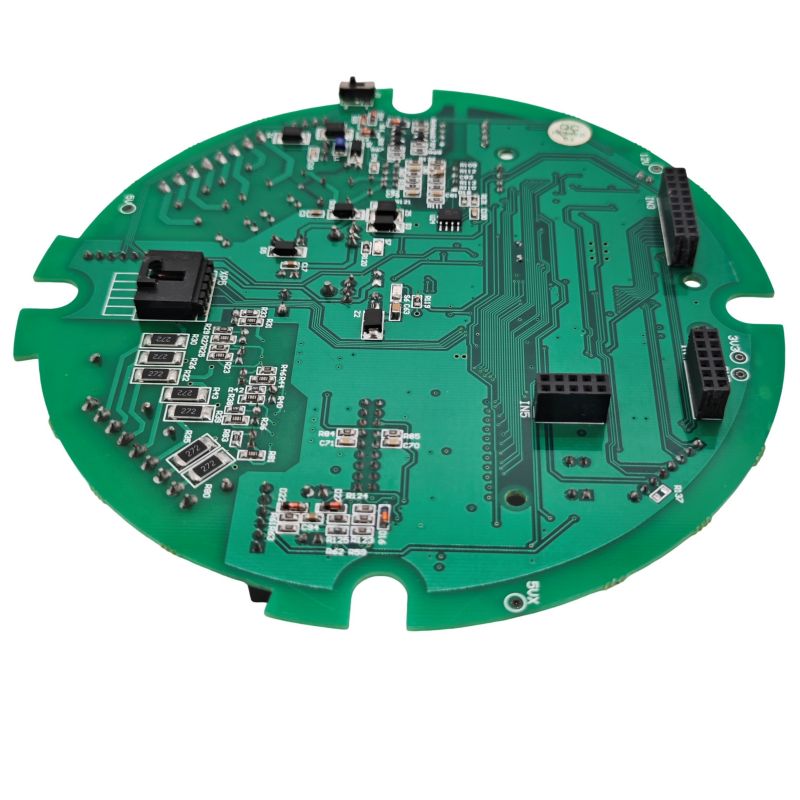
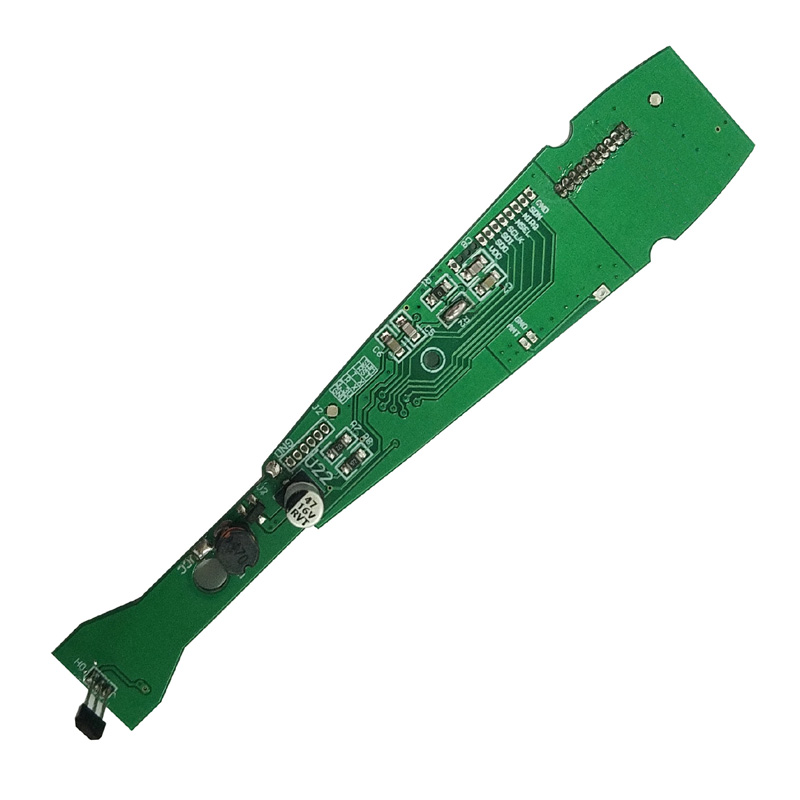
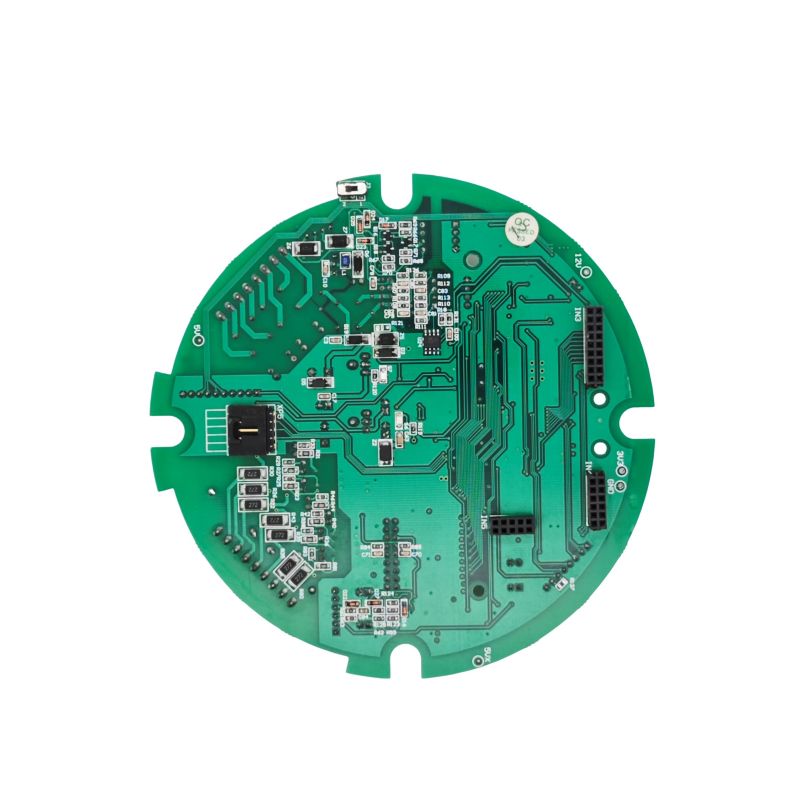
Trackball PCBA is the core control board of a trackball input device, responsible for converting the physical rotation of the ball into precise cursor control signals. As a professional electronic manufacturing and PCBA supplier in China, Unixplore Electronics provides stable and reliable Trackball PCBA solutions.
Send Inquiry
Product Description
What is Trackball PCBA?
Trackball PCBA (Printed Circuit Board Assembly) is the electronic control core inside a trackball device. A trackball itself is an input device similar to a mouse, but with a fixed base, controlling cursor movement by rolling the ball with fingers or the palm.
The PCBA is responsible for collecting ball movement data, processing signals, and communicating with the host system, making it a critical component for the trackball's proper functioning.
Core Functional Components
1. Sensor Module
The Trackball PCBA integrates optical sensors or mechanical encoders to accurately detect the rotational changes of the ball in the X/Y direction.
High-sensitivity motion capture
Stable recognition of subtle displacements
Supports continuous, smooth cursor control
2. Microcontroller (MCU)
The MCU is the "brain" of the Trackball PCBA, used to process sensor signals and output standard control commands.
Real-time analysis of ball movement data
Supports multiple communication protocols such as USB and PS/2
Programmable customization according to project requirements
3. Button and Switch Interfaces
The Trackball PCBA supports multiple button inputs, similar to mouse left/right buttons or function keys.
Stable structure, sensitive response
Supports multi-key expansion
Suitable for industrial and high-frequency use scenarios
4. Interfaces and Connection Methods
The PCBA integrates standard interfaces for connecting to the host system.
USB interface
Custom cable or pin connections
Adaptable to different terminal device structural designs
5. Power and Power Consumption Management
A reasonable power supply design ensures the stability of the Trackball PCBA during long-term operation.
Stable power supply circuit
Low power consumption design
Suitable for long-term continuous use
Application Scenarios
Trackball PCBA is widely used in fields requiring high operational stability and precision:
Industrial control panels
Medical equipment operating terminals
Self-service equipment
Industrial PCs and embedded systems
Special human-computer interaction devices


Related Category
Home Appliance PCBA
Industrial Control PCBA
Automobile PCBA
Consumer Electronics PCBA
Medical Equipment PCBA
Security System PCBA
Healthcare PCBA
LED Lighting PCBA
IoT PCBA
Electric Gardening Tool PCBA
Send Inquiry
Please Feel free to give your inquiry in the form below. We will reply you in 24 hours.