- English
- Español
- Português
- русский
- Français
- 日本語
- Deutsch
- tiếng Việt
- Italiano
- Nederlands
- ภาษาไทย
- Polski
- 한국어
- Svenska
- magyar
- Malay
- বাংলা ভাষার
- Dansk
- Suomi
- हिन्दी
- Pilipino
- Türkçe
- Gaeilge
- العربية
- Indonesia
- Norsk
- تمل
- český
- ελληνικά
- український
- Javanese
- فارسی
- தமிழ்
- తెలుగు
- नेपाली
- Burmese
- български
- ລາວ
- Latine
- Қазақша
- Euskal
- Azərbaycan
- Slovenský jazyk
- Македонски
- Lietuvos
- Eesti Keel
- Română
- Slovenski
- मराठी
- Srpski језик

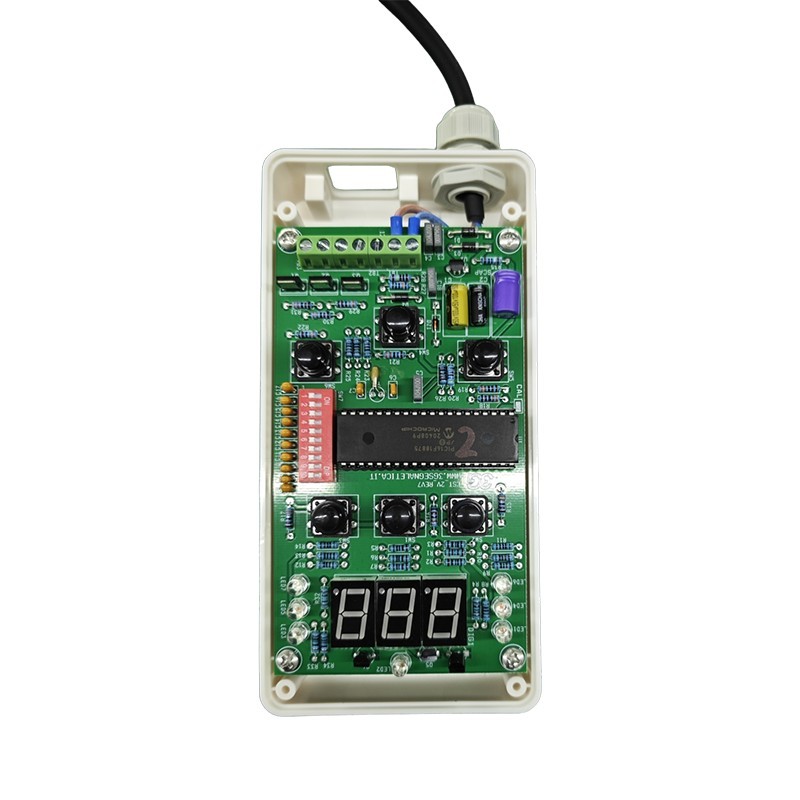
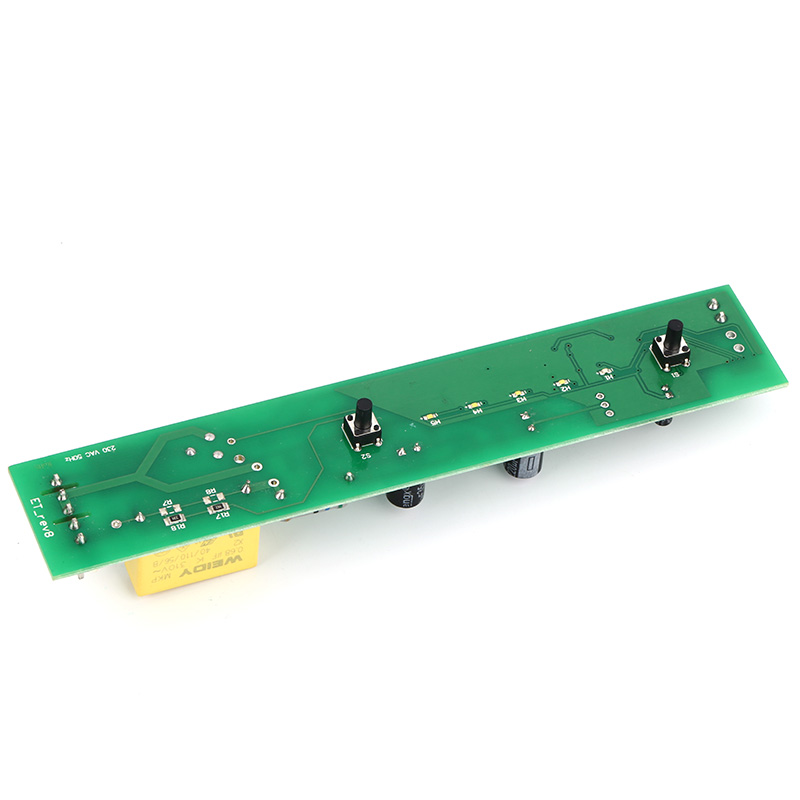
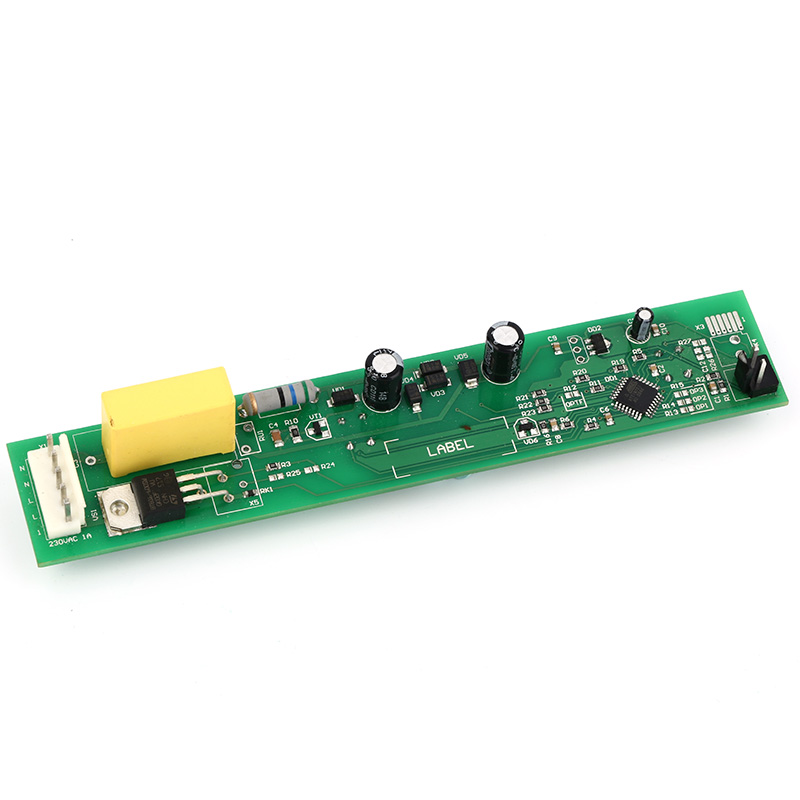
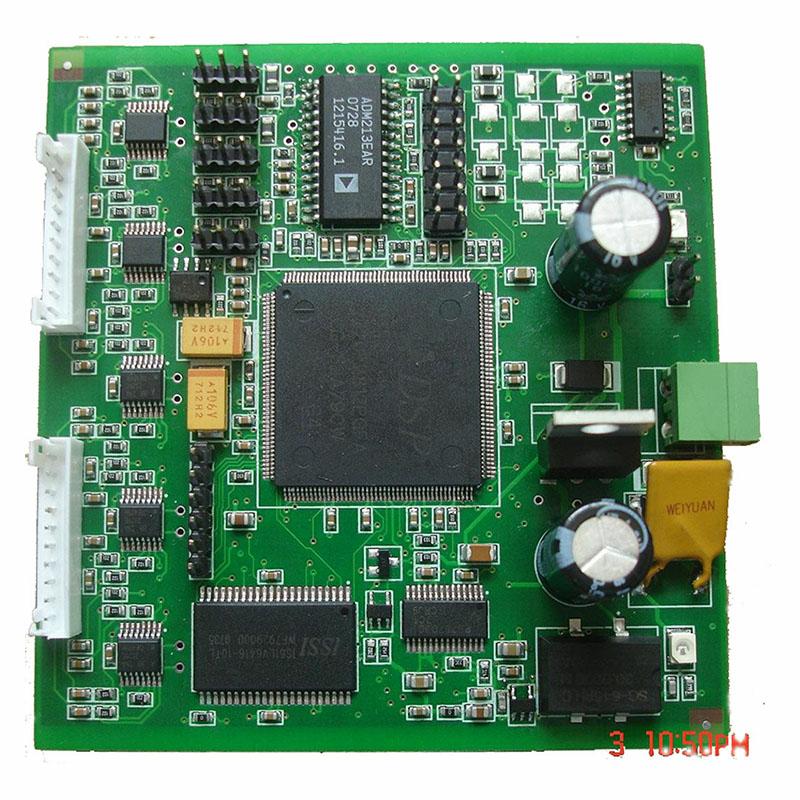
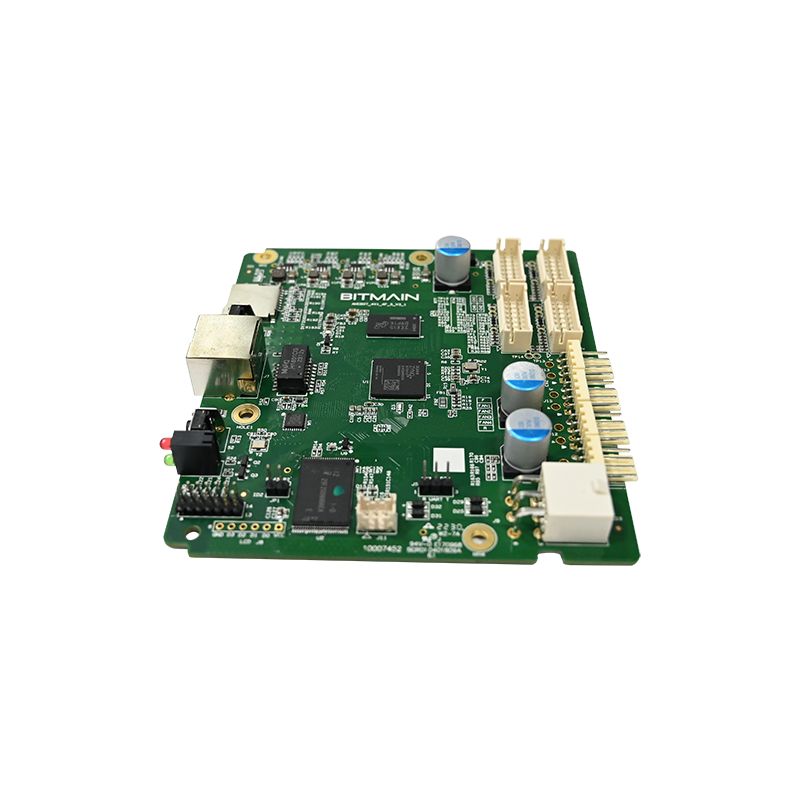
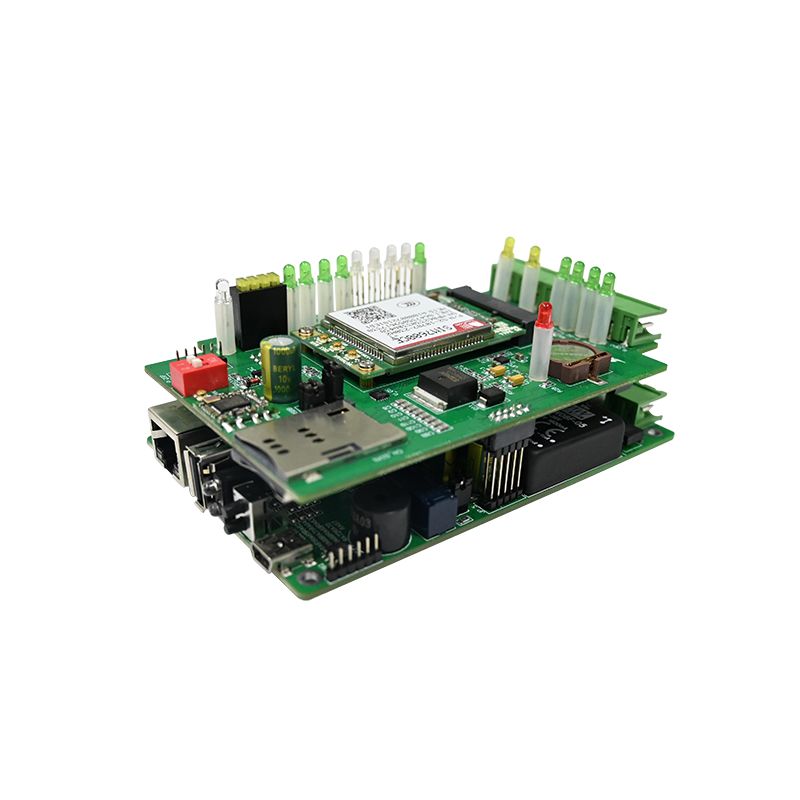
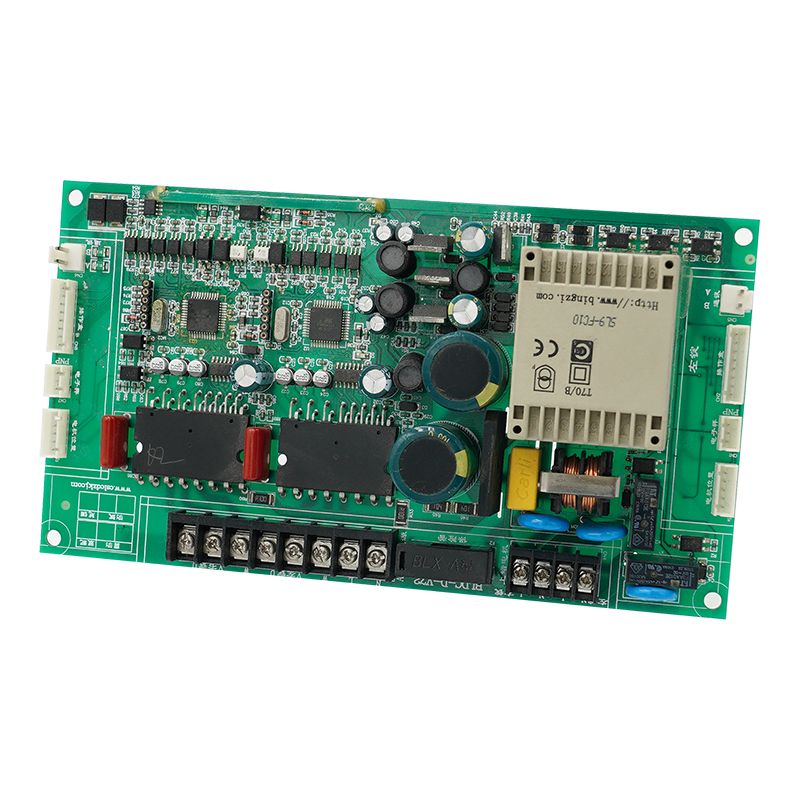
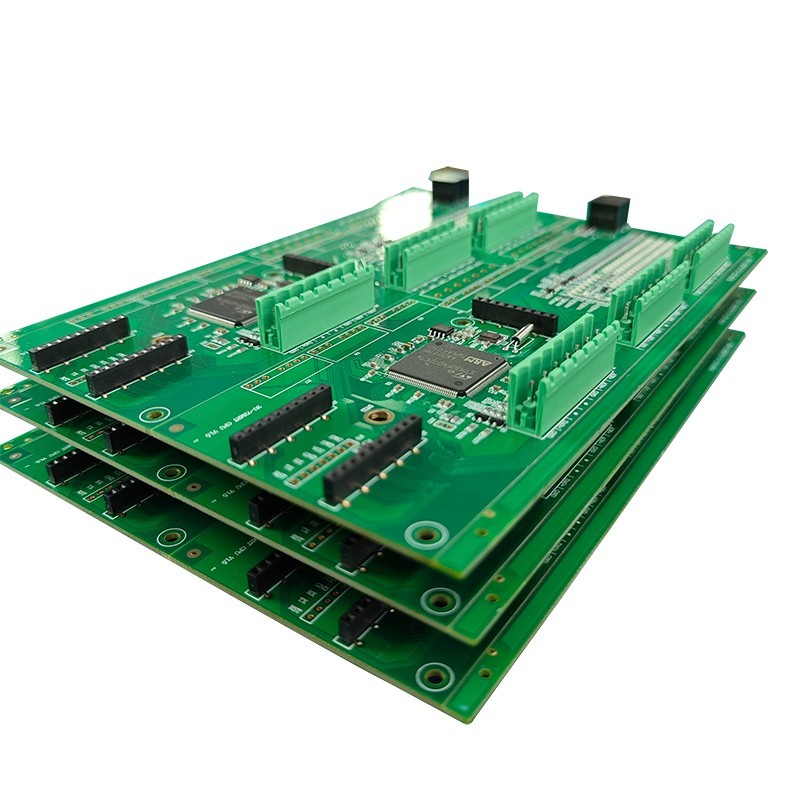
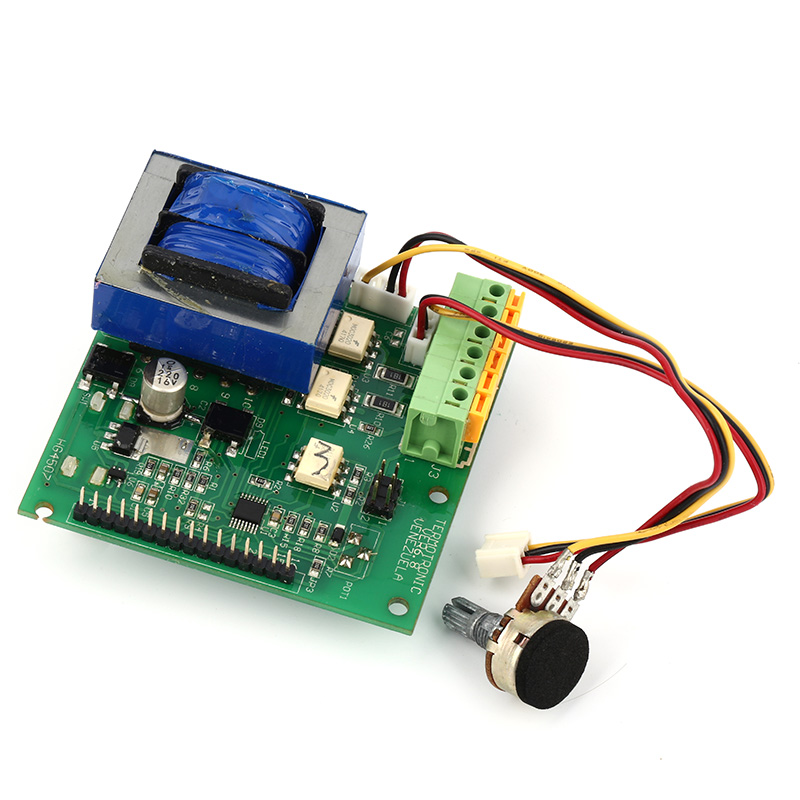
washing machine PCBA
Unixplore Electronics is a Chinese company that has been focusing on creating and producing first-class washing machine PCBA since 2008. We have certifications to ISO9001:2015 and IPC-610E PCB assembly standards.
Model:UE-205
Send Inquiry
Product Description
How to use red glue workmanship when during the assembly process of washing machine PCBA
Unixplore Electronics has been committed to the development and manufacturing of high-quality washing machine PCBA in the form of OEM and ODM type since 2011.
In the assembly of washing machine PCBA, red glue is used to help fix and protect components, improving the reliability and durability of the circuit board. The following are the general steps for using red glue:
Preparation: Prepare the necessary red glue and tools, ensuring the work surface is clean and tidy.
Determine Application Location: Based on the washing machine PCBA design and the location and connection requirements of the components, determine the locations where red glue needs to be applied.
Applying Red Glue: Using appropriate tools (such as a syringe or hand applicator), evenly apply or dot the red glue to the areas on the circuit board that need fixing. Ensure the red glue covers the area that needs protection, but do not apply too much to avoid affecting the normal connection of components.
Curing Red Glue: According to the curing requirements of the red glue (usually in a temperature-controlled oven or by UV curing), place the washing machine PCBA in a suitable environment to cure the red glue. Ensure that the curing time and temperature meet the red glue manufacturer's recommendations.
Clean-up: After the red glue has fully cured, carefully clean up any excess red glue, ensuring that it does not affect the normal operation of the washing machine PCBA. Specific cleaning agents or tools can be used for cleaning.
Inspection and Testing: The washing machine PCBA fixed with red glue should be inspected and tested to ensure correct component connections, unobstructed circuitry in the washing machine, and that the application of red glue does not affect the circuit board's performance.
By correctly using red glue, the components on the washing machine PCBA can be effectively fixed and protected, improving the board's reliability and stability. Safety precautions and adherence to red glue curing requirements must be observed during operation to ensure the assembly quality and reliability of the washing machine PCBA.
washing machine PCBA Manufacture
* Gerber file and BOM list supplied by client
* Bare PCB produced, components purchased by us
* PCB fabrication with parts fully assembled
* 100% Functionally Tested OK prior to shipping
* RoHS compliant, Lead-free manufacturing process
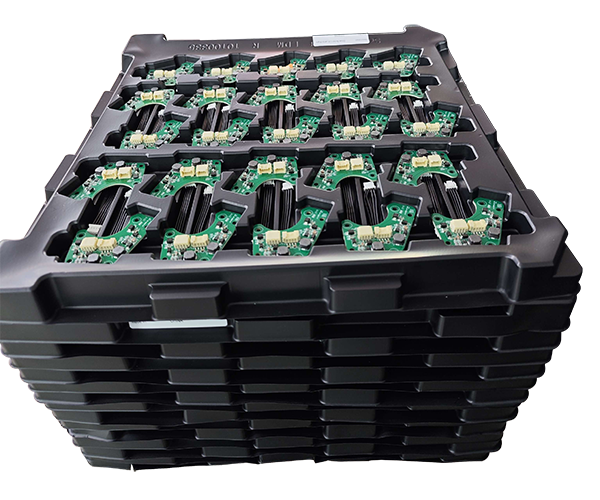
* Quick delivery, with independent ESD package
* One stop electronic manufacturing service for PCB design, PCB layout, PCB manufacture, components procurement, PCB SMT and DIP assembly, IC programming, function test, packaging and delivery
* Bare PCB produced, components purchased by us
* PCB fabrication with parts fully assembled
* 100% Functionally Tested OK prior to shipping
* RoHS compliant, Lead-free manufacturing process
* Quick delivery, with independent ESD package
* One stop electronic manufacturing service for PCB design, PCB layout, PCB manufacture, components procurement, PCB SMT and DIP assembly, IC programming, function test, packaging and delivery
Unixplore PCB & PCB Assembly Capability
| Parameter | Capability |
| Layers | 1-40 layers |
| Assembly Type | Through-Hole (THT), Surface Mount (SMT), Mixed (THT+SMT) |
| Minimum Component Size | 0201(01005 Metric) |
| Maximum Component Size | 2.0 in x 2.0 in x 0.4 in (50 mm x 50 mm x 10 mm) |
| Component Package Types | BGA, FBGA, QFN, QFP, VQFN, SOIC, SOP, SSOP, TSSOP, PLCC, DIP, SIP, etc. |
| Minimum Pad Pitch | 0.5 mm (20 mil) for QFP, QFN, 0.8 mm (32 mil) for BGA |
| Minimum Trace Width | 0.10 mm (4 mil) |
| Minimum Trace Clearance | 0.10 mm (4 mil) |
| Minimum Drill Size | 0.15 mm (6 mil) |
| Maximum Board Size | 18 in x 24 in (457 mm x 610 mm) |
| Board Thickness | 0.0078 in (0.2 mm) to 0.236 in (6 mm) |
| Board Material | CEM-3,FR-2,FR-4, High-Tg, HDI, Aluminum, High Frequency, FPC, Rigid-Flex, Rogers, etc. |
| Surface Finish | OSP, HASL, Flash Gold, ENIG, Gold Finger, etc. |
| Solder Paste Type | Leaded or Lead-Free |
| Copper Thickness | 0.5OZ – 5 OZ |
| Assembly Process | Reflow Soldering, Wave Soldering, Manual Soldering |
| Inspection Methods | Automated Optical Inspection (AOI), X-ray, Visual Inspection |
| Testing Methods In-House | Functional Test, Probe Test, Aging Test, High and Low Temperature Test |
| Turnaround Time | Sampling: 24 hours to 7 days, Mass Run: 10 - 30 days |
| PCB Assembly Standards | ISO9001:2015; ROHS, UL 94V0, IPC-610E class ll |
Unixplore Value-Added EMS Service
● IC pre-programming service with file in format of HEX,ELF and BIN.
● washing machine PCBA Functional test fixture customized according to client’s test requirements
● Box building service including plastic & metal case mold and part production
● Conformal coating including selective lacquer coating, epoxy resin potting
● Wire harness and cable assembly
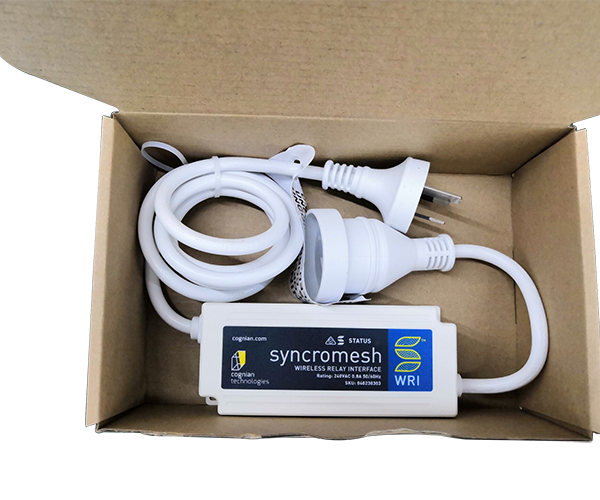
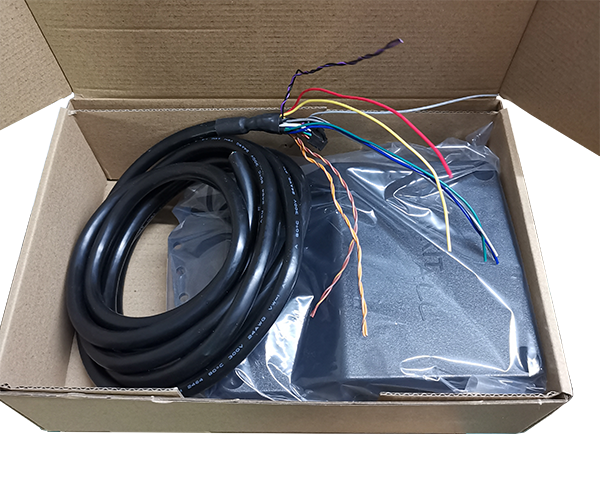
● Finished product assembly including box, screen, membrane switch, labelling and customized carton or retail box packing.
● Various third-party tests for PCBA are available upon request
● Product Certification Assistance
● washing machine PCBA Functional test fixture customized according to client’s test requirements
● Box building service including plastic & metal case mold and part production
● Conformal coating including selective lacquer coating, epoxy resin potting
● Wire harness and cable assembly
● Finished product assembly including box, screen, membrane switch, labelling and customized carton or retail box packing.
● Various third-party tests for PCBA are available upon request
● Product Certification Assistance
PCBA Production Procedure
-
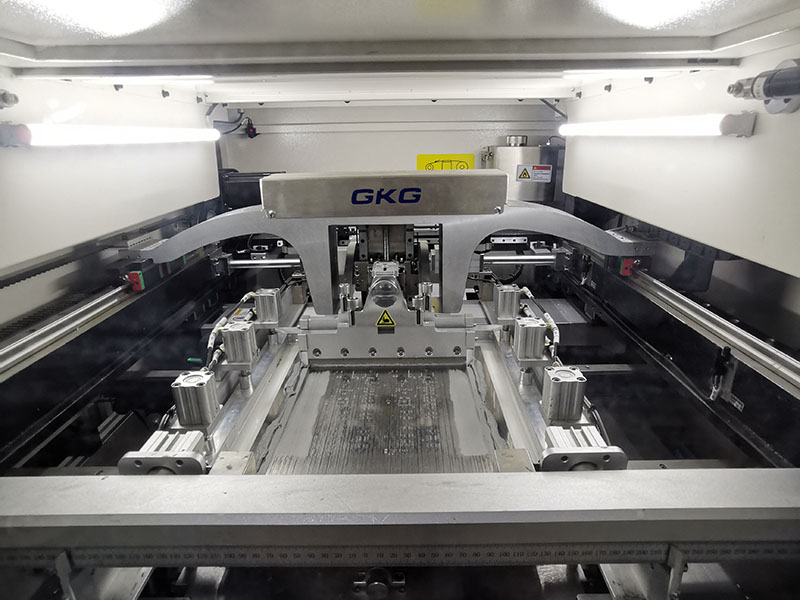
1. Automatic solderpaste printing
-
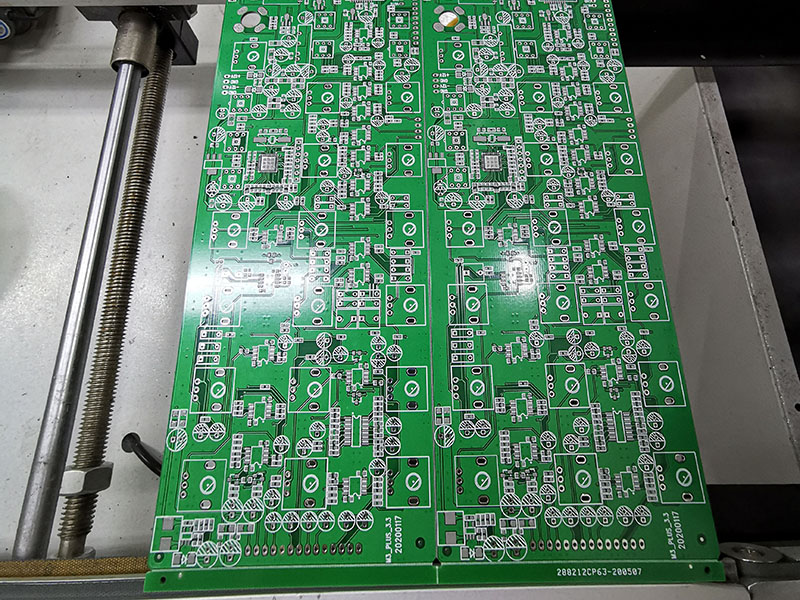
2. solderpaste printing done
-
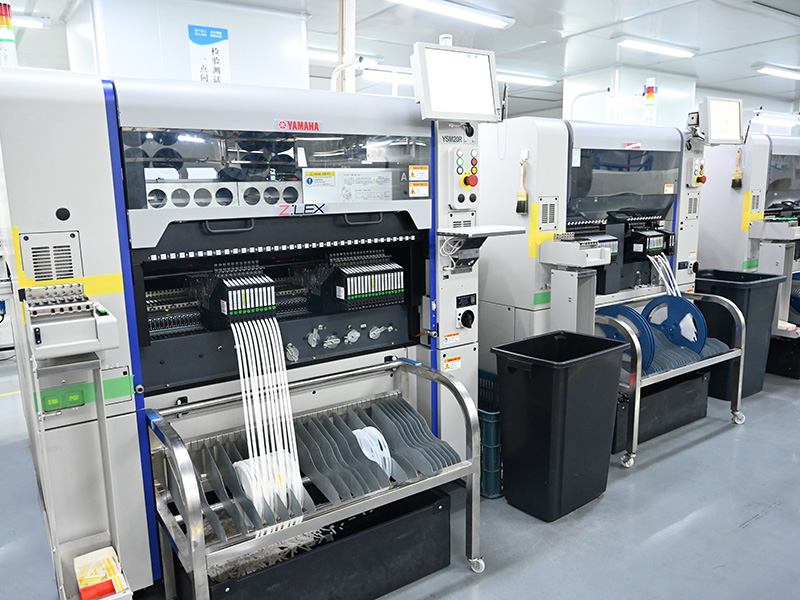
3. SMT pick and place
-
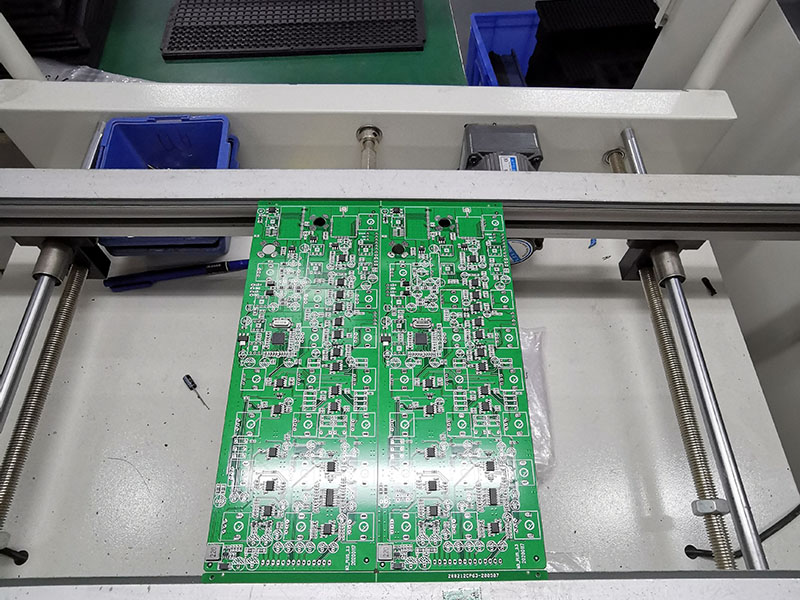
4. SMT pick and place done
-
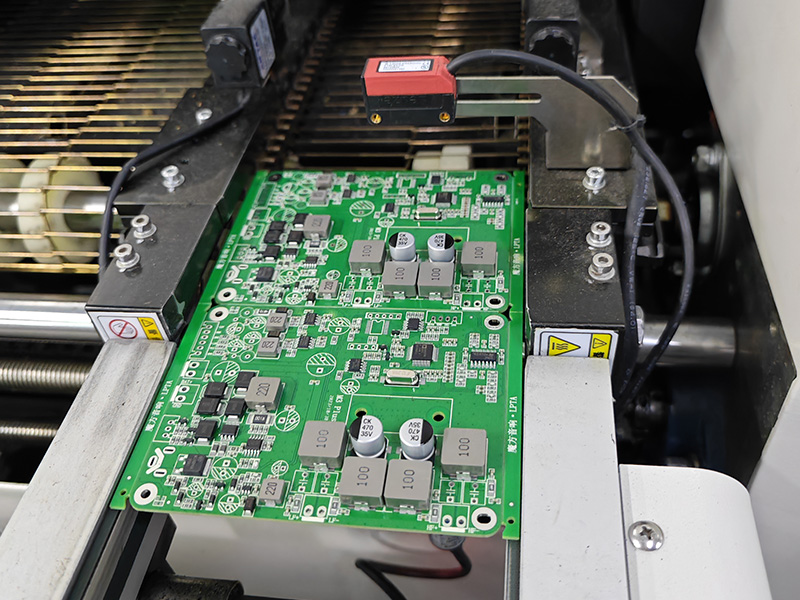
5. ready for reflow soldering
-
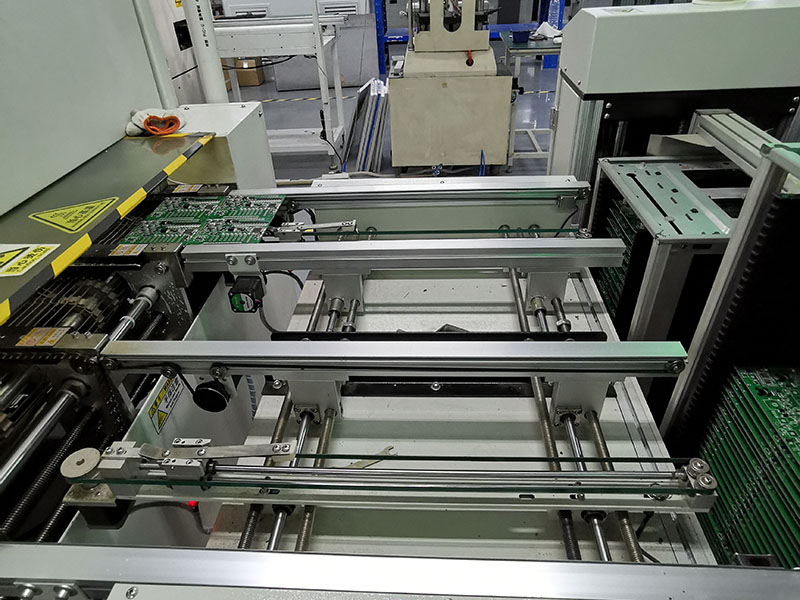
6. reflow soldering done
-
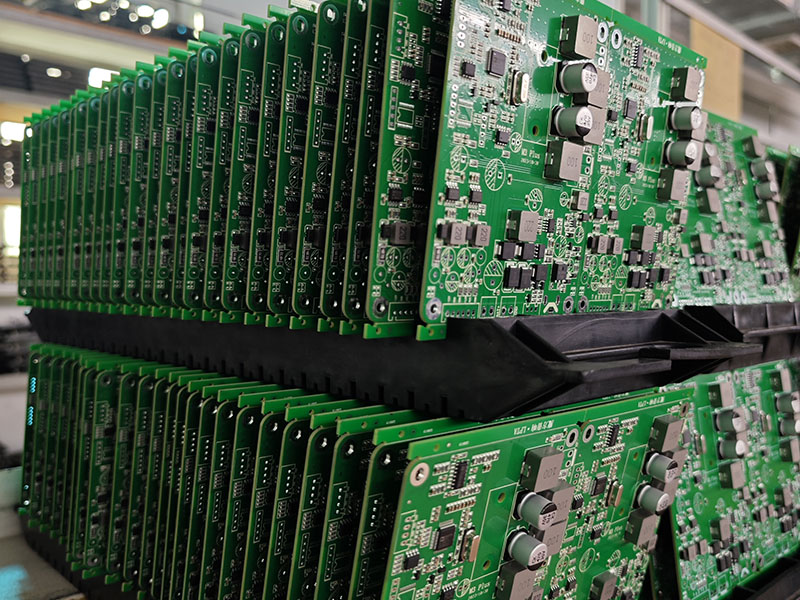
7. ready for AOI
-
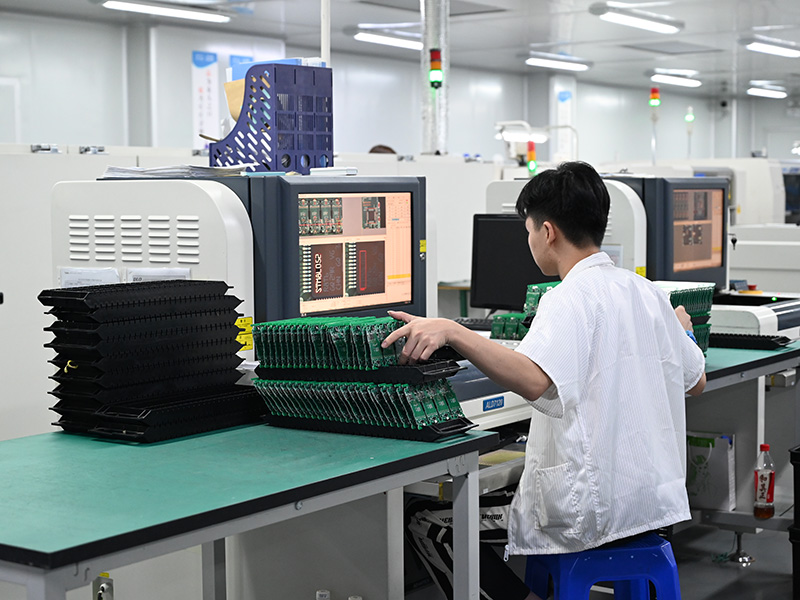
8. AOI inspection process
-
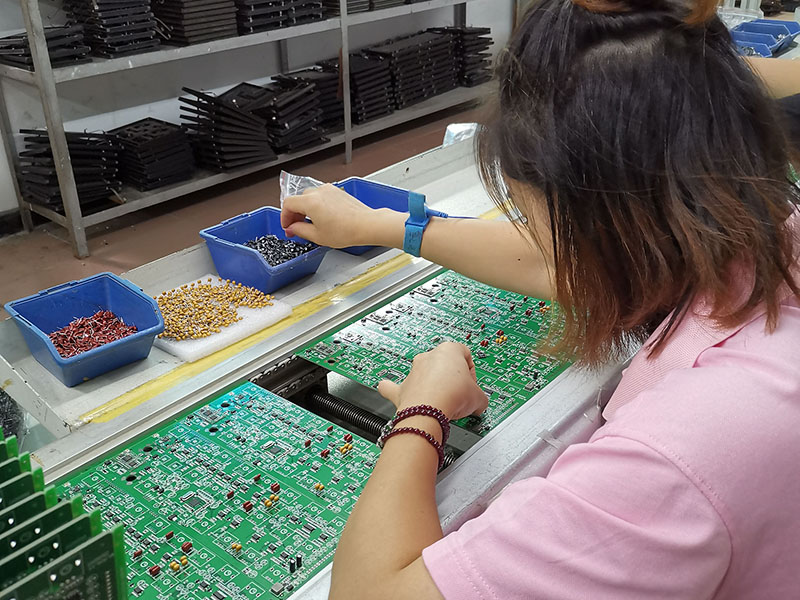
9. THT component placement
-
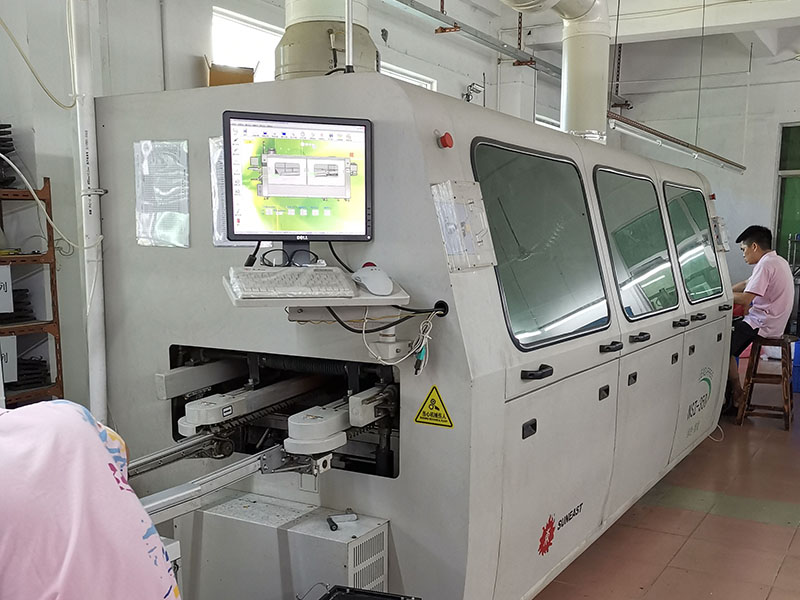
10. wave soldering process
-
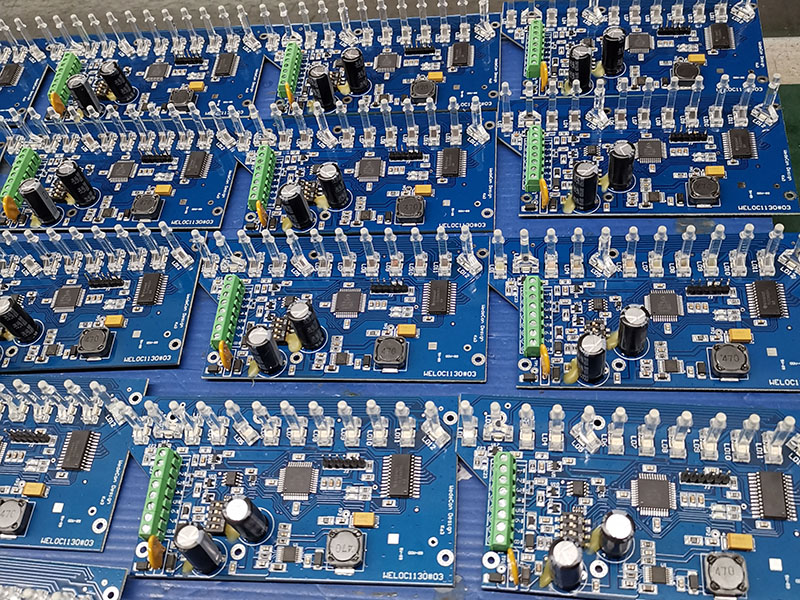
11. THT assembly done
-
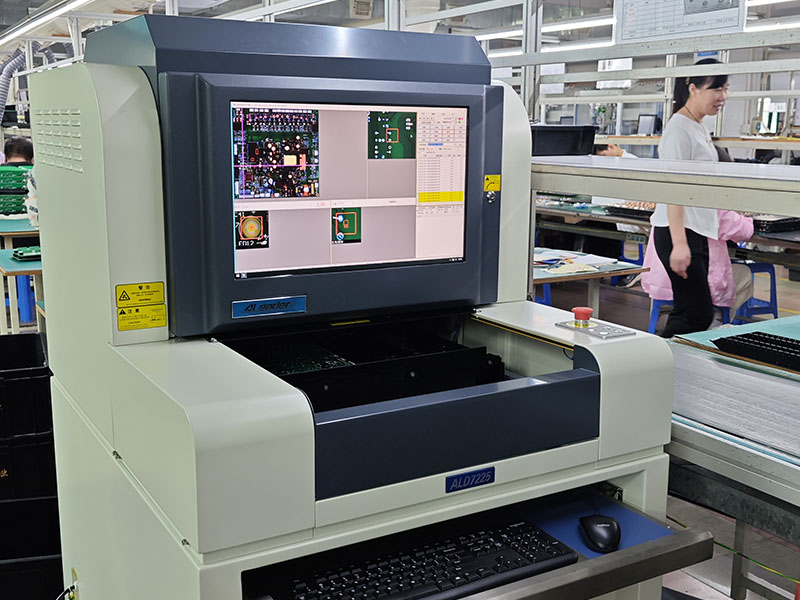
12. AOI Inspection for THT assembly
-
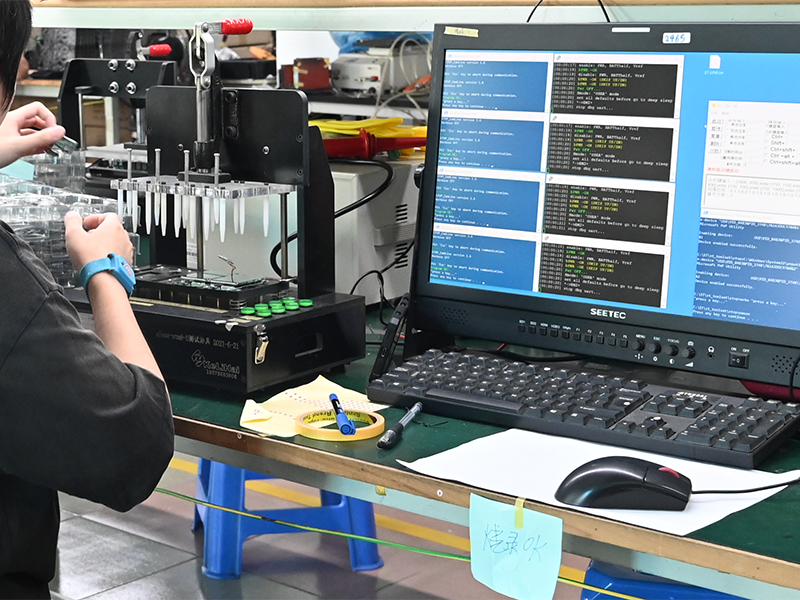
13. IC programming
-
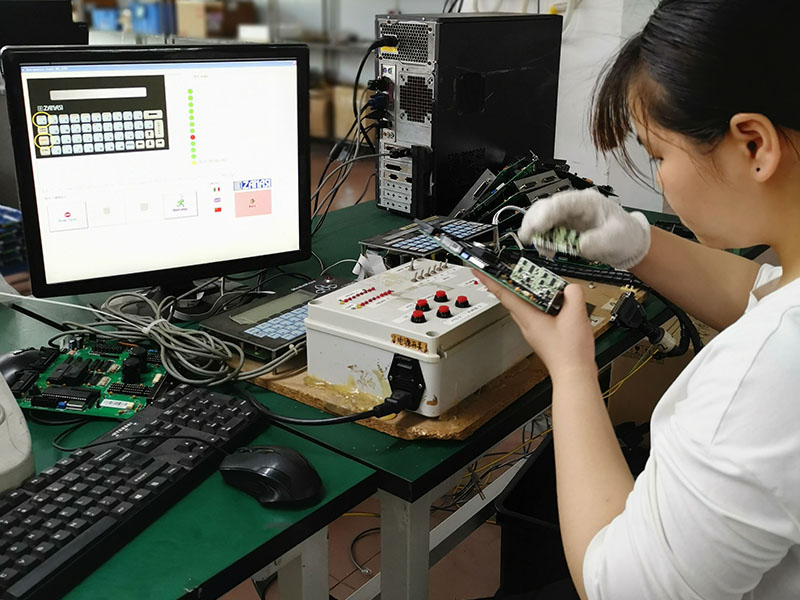
14. function test
-
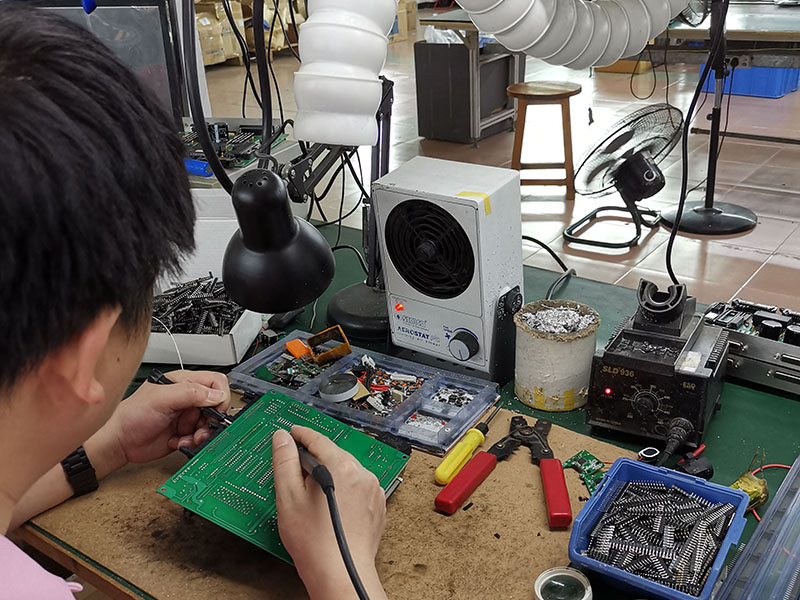
15. QC Check and Repair
-
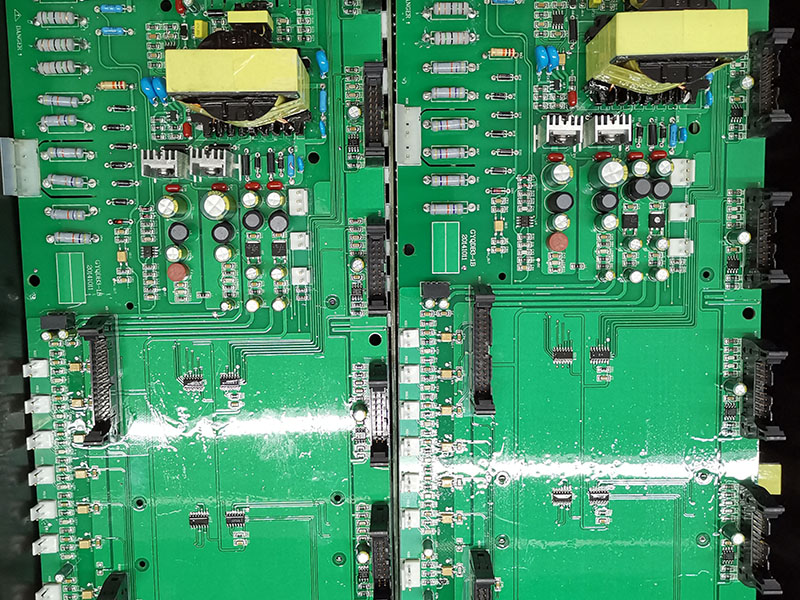
16. PCBA conformal coating Process
-
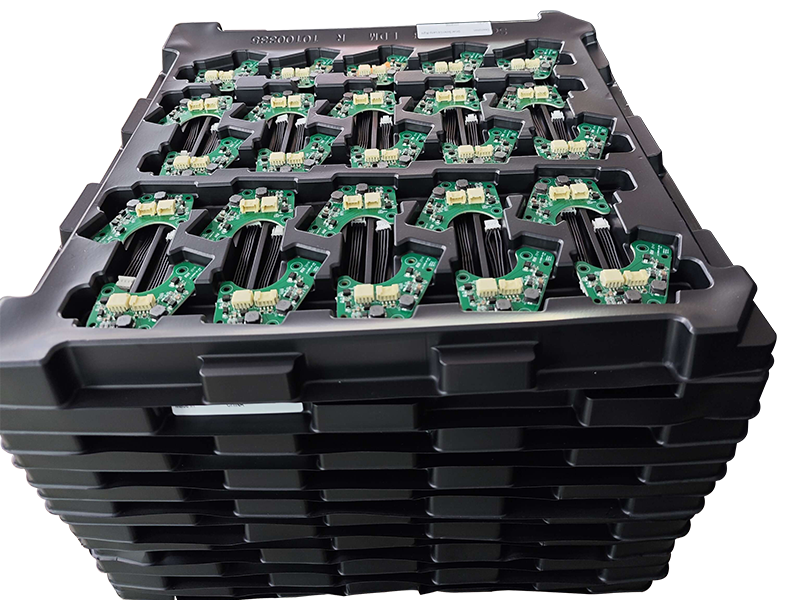
17. ESD packing
-
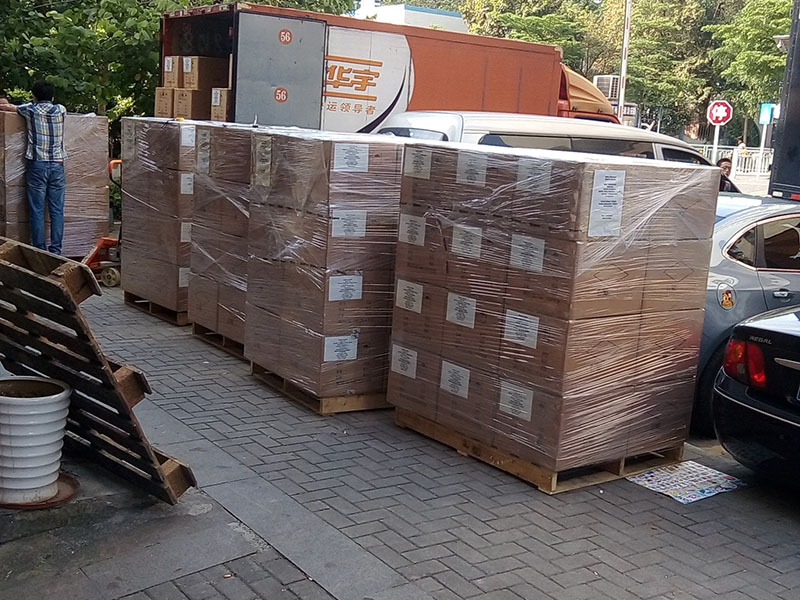
18. Ready for Shipping
Packaging
For PCBA
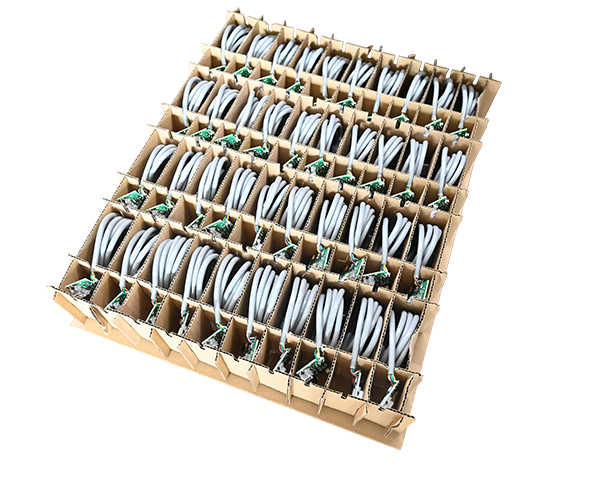
For Finished Product
Related Category
Home Appliance PCBA
Industrial Control PCBA
Automobile PCBA
Consumer Electronics PCBA
Medical Equipment PCBA
Security System PCBA
Healthcare PCBA
LED Lighting PCBA
IoT PCBA
Electric Gardening Tool PCBA
Send Inquiry
Please Feel free to give your inquiry in the form below. We will reply you in 24 hours.