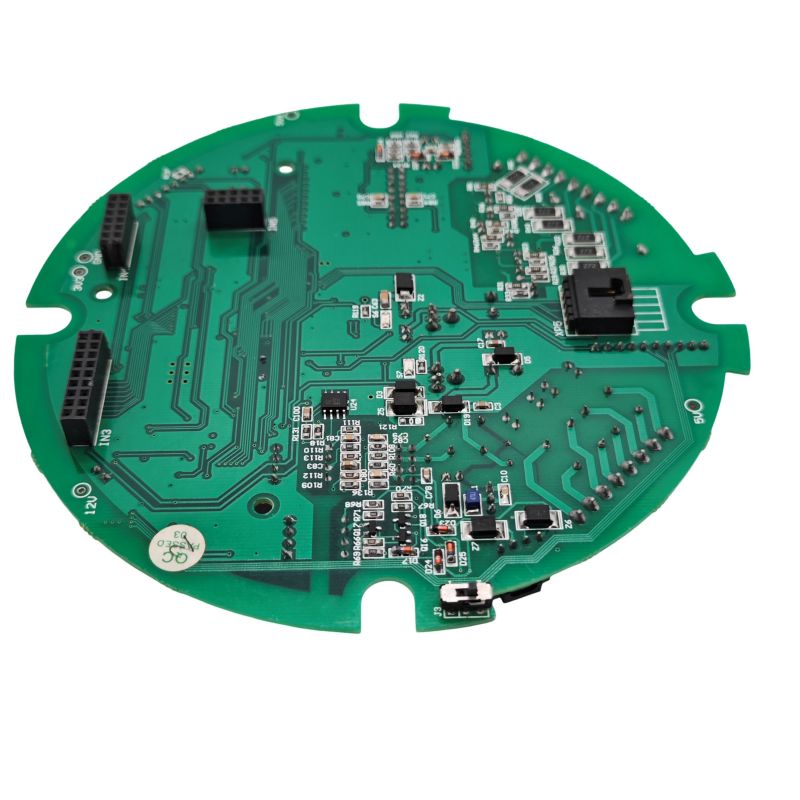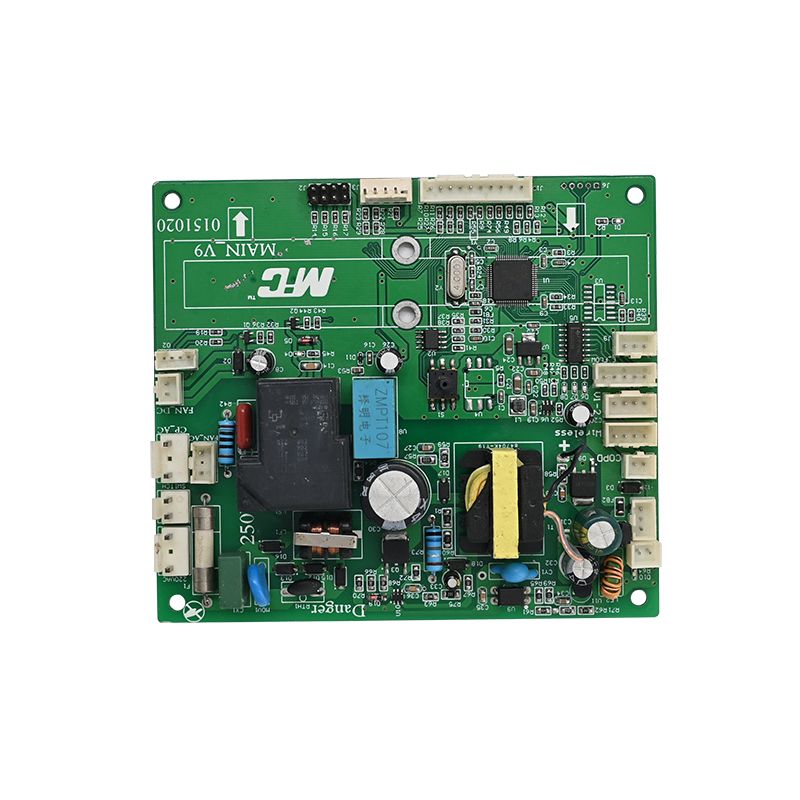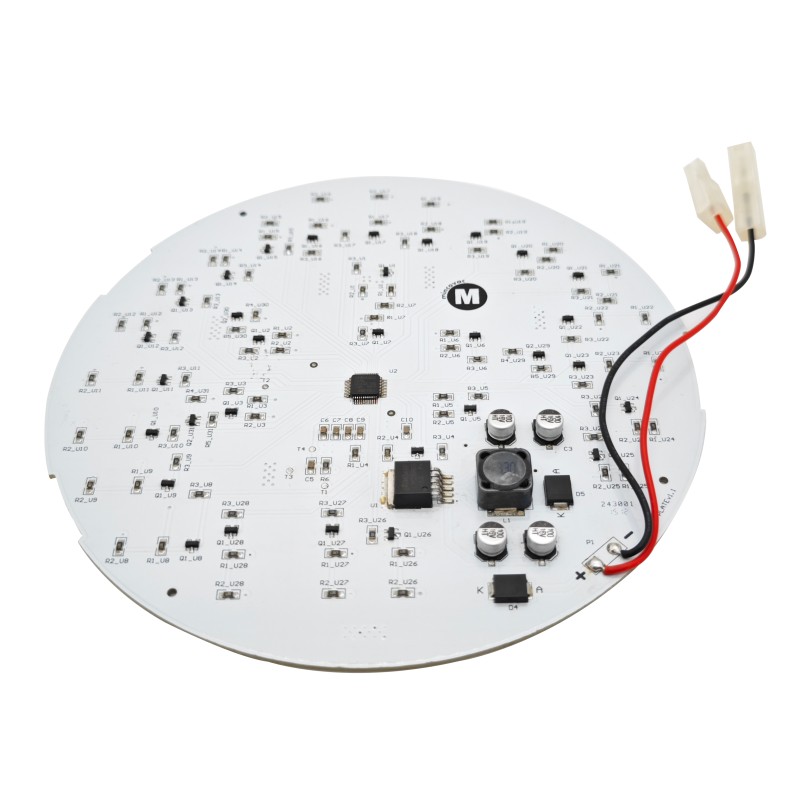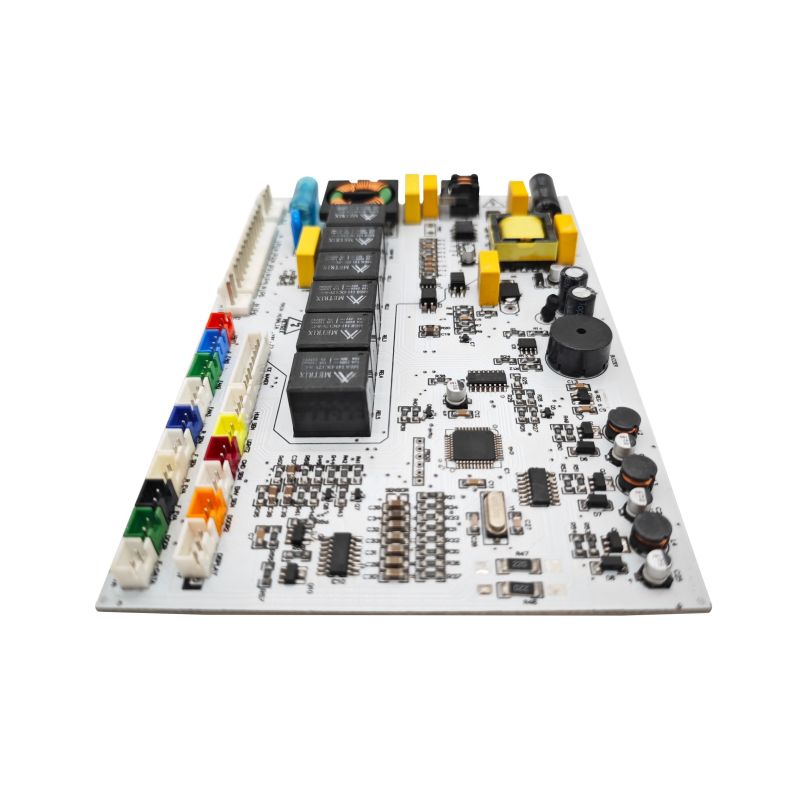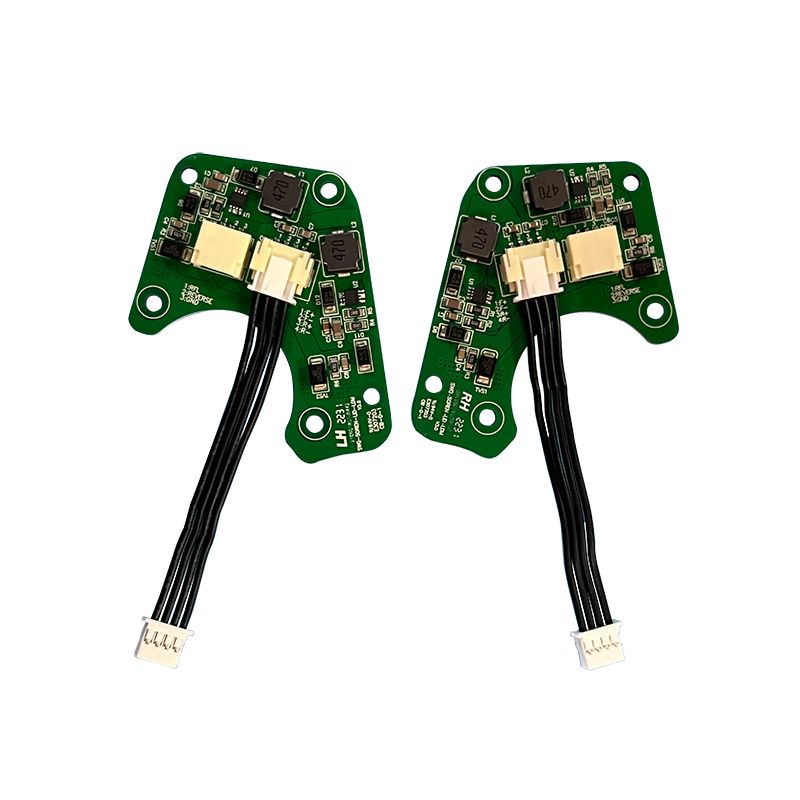
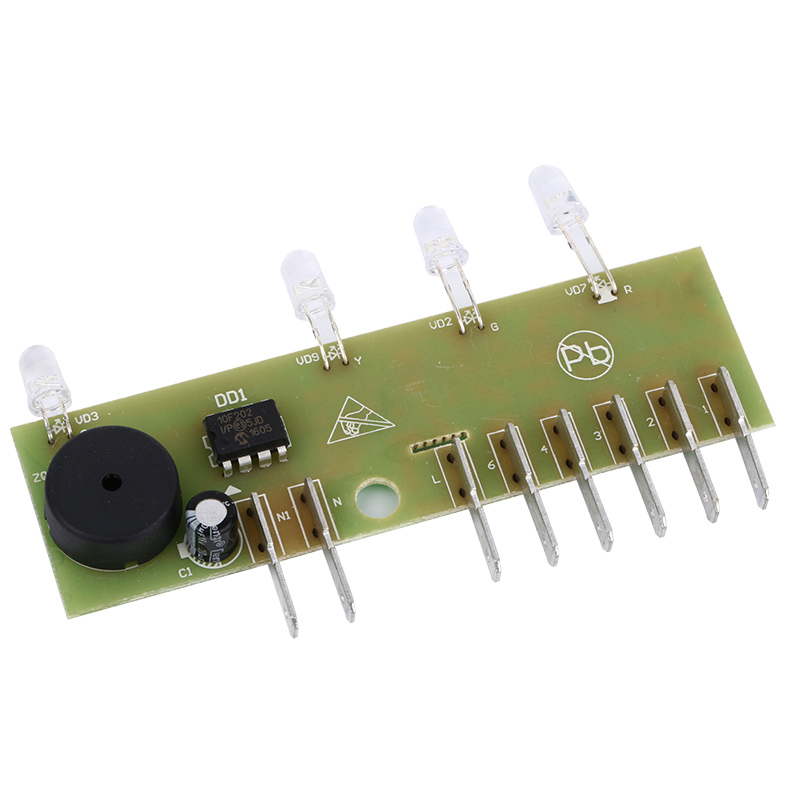
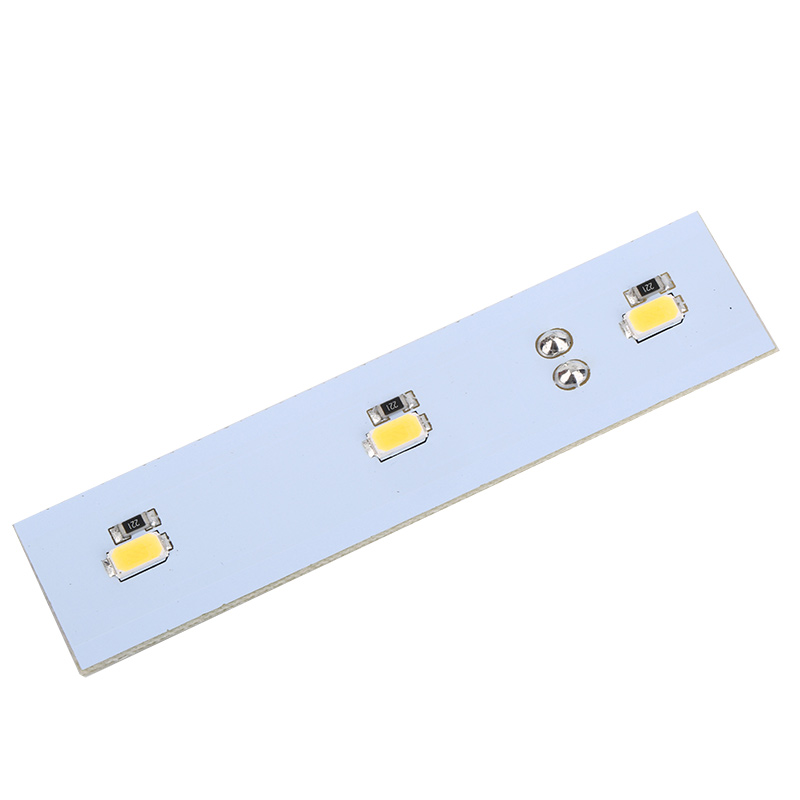
With 20 years in electronics manufacturing and SEO, I have audited hundreds of exit sign assemblies. This guide covers the technical specifications, compliance standards, and real-world performance metrics that facility managers and specifiers actually search for.
What Makes an Exit Sign PCBA Different?
Unlike standard lighting boards, an exit sign PCBA must manage three simultaneous functions:
- Dual Power Paths: AC line input (120V or 277V) plus a backup battery charging circuit.
- Emergency Transfer Switching: Automatic switchover to DC battery within 0.1 seconds of power loss.
- LED String Management: Constant current control for 6 to 36 red or green LEDs.
Because building codes mandate 90 minutes of illumination during power failures, the PCBA design must prioritize low quiescent current and reliable battery charging.
Core Technical Specifications
All parameters listed below meet or exceed UL 924 and NFPA 101 standards. Always verify certifications with your supplier.
Input & Output Power
ParameterStandard ValueComplianceInput Voltage (AC)120V / 277V / 347V (50-60Hz)UL 924Emergency Mode Voltage6V to 12V DC (NiCd or LiFePO4 battery)NFPA 101Total Output Power2W to 8W (depends on LED count)Energy StarPower Factor (AC mode)≥0.90 at full loadIEC 61000-3-2Efficiency>82% (AC-DC conversion)DOE 2021 standards
Battery Charging Specifications
ParameterValueNotesCharge Voltage (NiCd)7.2V to 8.4V (for 6V nominal pack)Temperature compensatedCharge Current50mA to 200mA (constant current)Prevents overheatBattery Type SupportNiCd, NiMH, LiFePO4Auto-detection on premium PCBARecharge Time24 hours (100% capacity)Meets UL requirementLow Battery Cutoff5.4V ±0.2VPrevents deep discharge
Environmental & Physical
ParameterRatingOperating Temperature0°C to +50°C (indoor) / -10°C to +55°C (damp location)Storage Temperature-20°C to +60°CPCB Base MaterialFR4 (Tg 130°C minimum) or CEM-1 for cost-reduced versionsCopper Thickness1 oz. to 2 oz. (primary power traces require 2 oz.)Flammability RatingUL 94V-0 (marked on board)
Key Design Features of a UL 924 Compliant PCBA
A code-compliant Exit Sign PCBA is not optional. Here is what inspectors check.
1. Automatic Emergency Transfer
- Transfer Time: The board must switch from AC to battery in under 0.1 seconds. Any delay visible to the human eye fails inspection.
- Test Circuitry: Integrated push-button test points must simulate power failure without disconnecting AC mains. This is a mandatory UL 924 feature.
2. Battery Management System (BMS)
- Overcharge Protection: The PCBA must stop charging when battery voltage reaches 8.4V (for 6V NiCd packs).
- Reverse Polarity Protection: Diodes on the battery input prevent damage if the installer connects the battery backwards. This is a leading cause of field failures.
3. LED Configuration Flexibility
Most exit sign PCBA boards support multiple LED arrangements:
- 6-LED Series: Standard for aluminum extruded signs (red or green).
- 12-LED Parallel + Series: Common for double-sided signs (hallway or ceiling mount).
- 18 to 36 LED arrays: Used for high-lumen exit signs (100+ candela).
4. Self-Diagnostics (Advanced Units)
Premium PCBAs include a micro controller that:
- Logs battery capacity every 30 days.
- Blinks a red/green status LED to indicate battery health.
- Signals an audible alarm (optional) when battery falls below 80% of rated capacity.
Certifications You Must Verify
Before ordering any Exit Sign PCBA, request these three documents:
CertificationJurisdictionWhat It VerifiesUL 924USAEmergency lighting and power equipmentNFPA 101 (Life Safety Code)USAIllumination duration (90 min) and transfer timeCSA C22.2 No. 141CanadaEmergency lighting equipmentRoHS 3 (2015/863/EU)EUNo restricted hazardous substances
Warning: A PCBA without a visible UL mark on the silkscreen layer is almost certainly uncertified. Field inspectors can fail your entire building for this.
Manufacturing Quality Indicators
Use this checklist when evaluating a supplier's Exit Sign PCBA.
- Solder Mask Registration: Misalignment should not exceed 0.005 inches. Exposed copper on high-voltage traces is a shock hazard.
- Silkscreen Legibility: All component designators (R1, C2, IC1), polarity markers, and UL file numbers must be clearly readable after assembly.
- Through-Hole Components: Battery connectors and test switches should be wave-soldered, not hand-soldered, to prevent cold joints.
- Conformal Coating (Optional): For damp locations (restrooms, outdoor covered exits), the PCBA needs a conformal coating of acrylic or urethane. Look for a matte or glossy finish over all components.
Exit Sign PCBA FAQs
Below are three technical questions I receive frequently from facility engineers and procurement specialists.
Q1: Can I use a standard LED driver PCBA for my exit sign instead of a dedicated Exit Sign PCBA?
A: No, and here is why this is dangerous. A standard LED driver PCBA lacks three critical circuits:
1. Battery Backup Switching: Standard drivers do not detect AC power loss. Your exit sign would go dark immediately during an outage, violating NFPA 101 which requires 90 minutes of illumination.
2. Low-Voltage Disconnect: Without this, the PCBA will continue draining the battery below 5V, permanently destroying NiCd or LiFePO4 cells within three cycles.
3. Test Button Interface: Building inspectors require a manual test function. Standard drivers do not include this signal path.
The Bottom Line: Purchase a UL 924 listed Exit Sign PCBA only. The $5 savings on a generic board will cost thousands in failed inspections.
Q2: My exit sign PCBA runs hot. The LEDs dim after 30 minutes on battery. What failed?
A: You have a battery degradation problem, not an LED problem. Here is the diagnostic sequence:
1. Check Charge Voltage: With AC power applied, measure across the battery terminals. You should see 7.2V to 8.4V (for a 6V NiCd pack). If voltage is below 6.5V, the charging circuit on the PCBA has failed.
2. Test Battery Capacity: Disconnect the battery and load it with a resistor that draws 200mA. A healthy 6V NiCd pack should stay above 5.4V for at least 90 minutes.
3. Examine for Corrosion: NiCd batteries leak potassium hydroxide after 3-5 years. This white crystalline residue eats copper traces on the PCBA. If you see white powder anywhere, replace both the battery and the PCBA immediately.
Common Fix: Replace the battery every 4 years, even if the sign works. This prevents hidden capacity loss.
Q3: How do I verify that a batch of 500 exit sign PCBA boards is UL compliant without testing each one?
A: You rely on three layers of verification:
1. UL Follow-Up Service (FUS): Every genuine UL listed PCBA comes from a factory that allows unannounced UL audits. The UL mark on the board must include a file number (e.g., UL E123456). Search this number on UL's Product iQ database. If it does not appear, the mark is counterfeit.
2. Date Code Matching: The PCBA silkscreen should have a date code (YYWW format). Ensure this date code matches the UL certification report's production period. Boards made outside that window are not covered.
3. Random Destructive Testing: For every 500 units, sacrifice 2 boards. Cut them open and inspect for:
- Correct fuse rating (e.g., 250V 3A slow-blow).
- Proper transformer isolation (0.125 inch minimum clearance between primary and secondary).
- No unapproved component substitutions (e.g., 85°C capacitors instead of 105°C).
Pro Tip: Request the "UL Notice of Authorization" from your supplier before paying for large orders.
Summary: Selecting the Right Exit Sign PCBA
A quality Exit Sign PCBA is defined by three non-negotiable features:
1. UL 924 Listing with a verifiable file number.
2. Automatic transfer under 0.1 seconds with proper low-voltage disconnect.
3. Battery charging circuit designed for NiCd, NiMH, or LiFePO4 chemistry.
For facility managers, prioritize boards with self-diagnostics. For OEMs, always specify 2 oz copper on power traces and UL 94V-0 laminates. Verified manufacturing documentation and third-party certification remain the only reliable path to code compliance and occupant safety.