- English
- Español
- Português
- русский
- Français
- 日本語
- Deutsch
- tiếng Việt
- Italiano
- Nederlands
- ภาษาไทย
- Polski
- 한국어
- Svenska
- magyar
- Malay
- বাংলা ভাষার
- Dansk
- Suomi
- हिन्दी
- Pilipino
- Türkçe
- Gaeilge
- العربية
- Indonesia
- Norsk
- تمل
- český
- ελληνικά
- український
- Javanese
- فارسی
- தமிழ்
- తెలుగు
- नेपाली
- Burmese
- български
- ລາວ
- Latine
- Қазақша
- Euskal
- Azərbaycan
- Slovenský jazyk
- Македонски
- Lietuvos
- Eesti Keel
- Română
- Slovenski
- मराठी
- Srpski језик

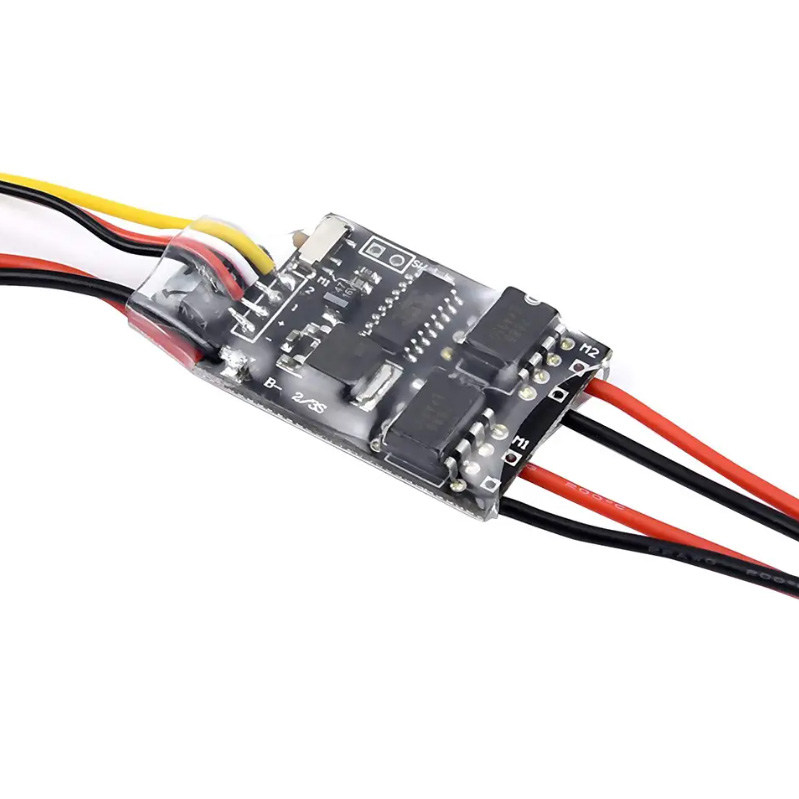
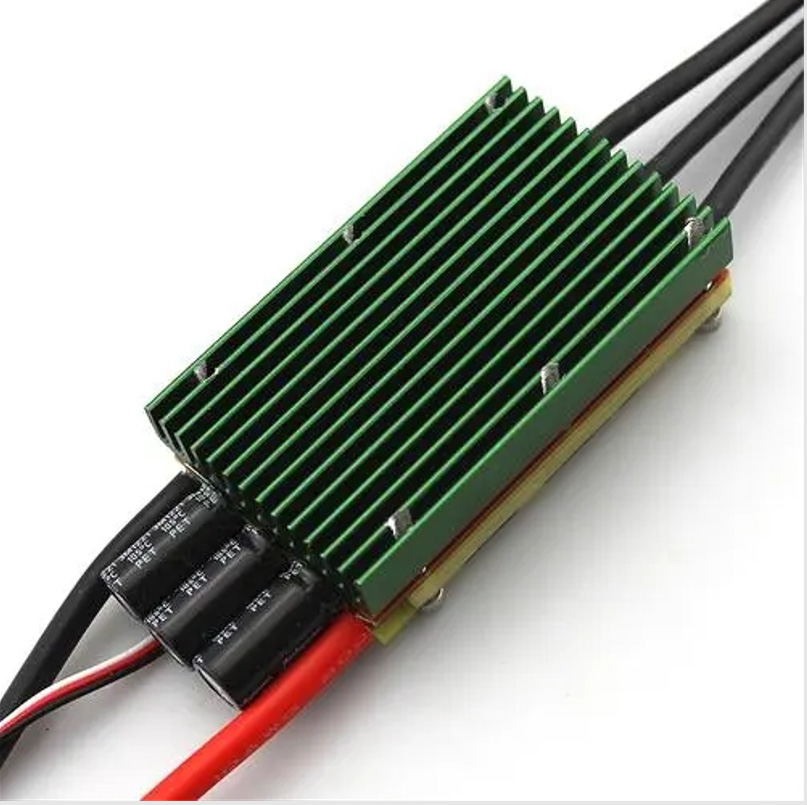
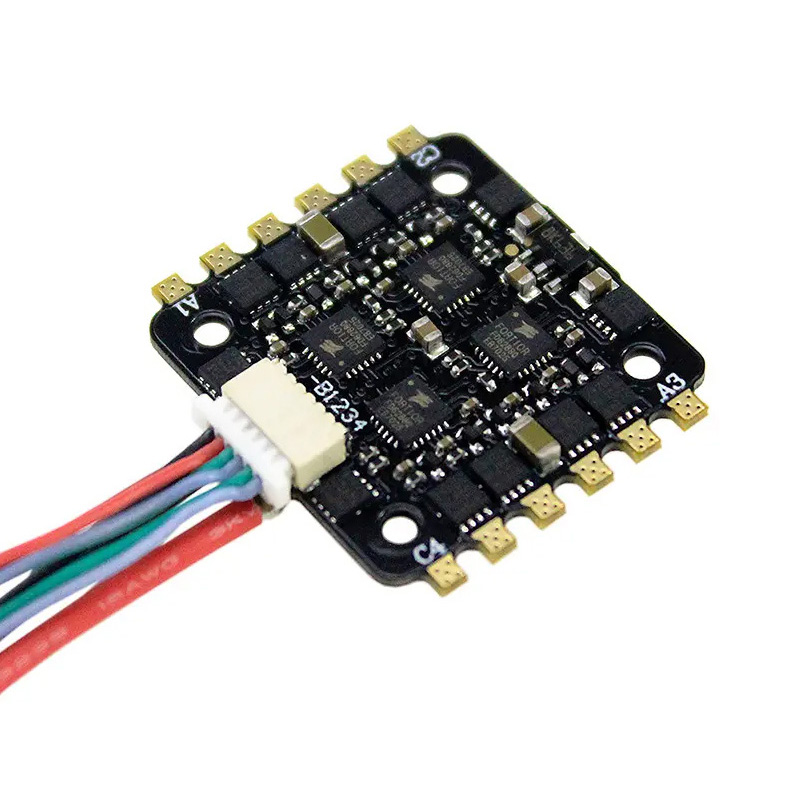
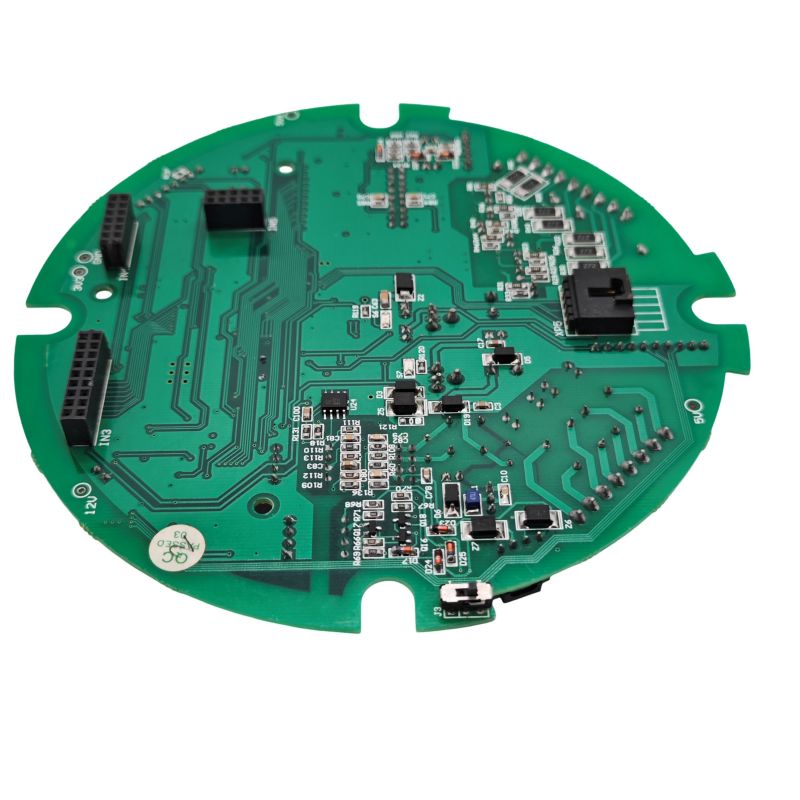
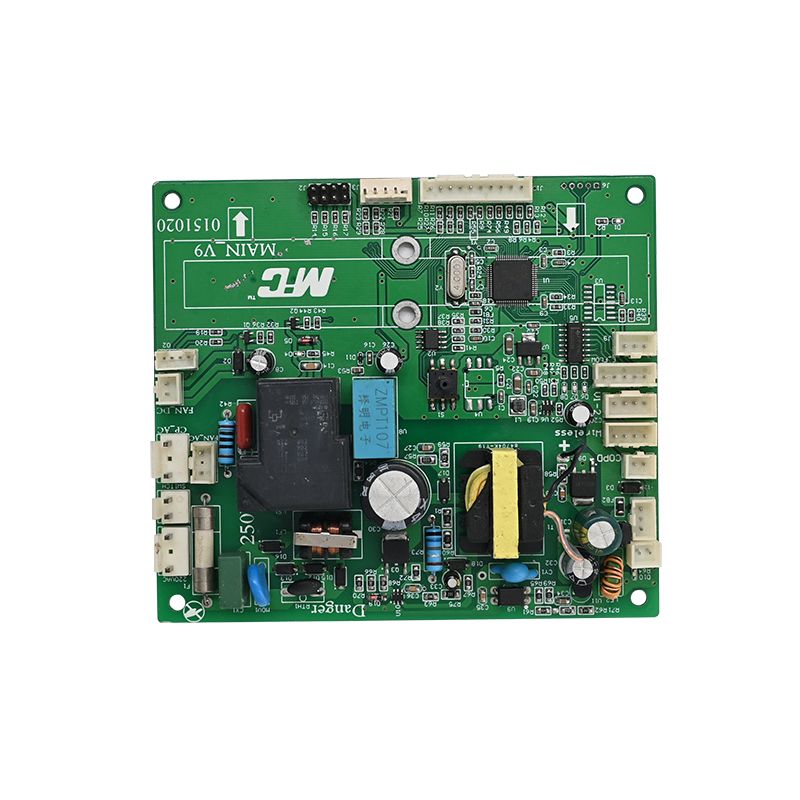
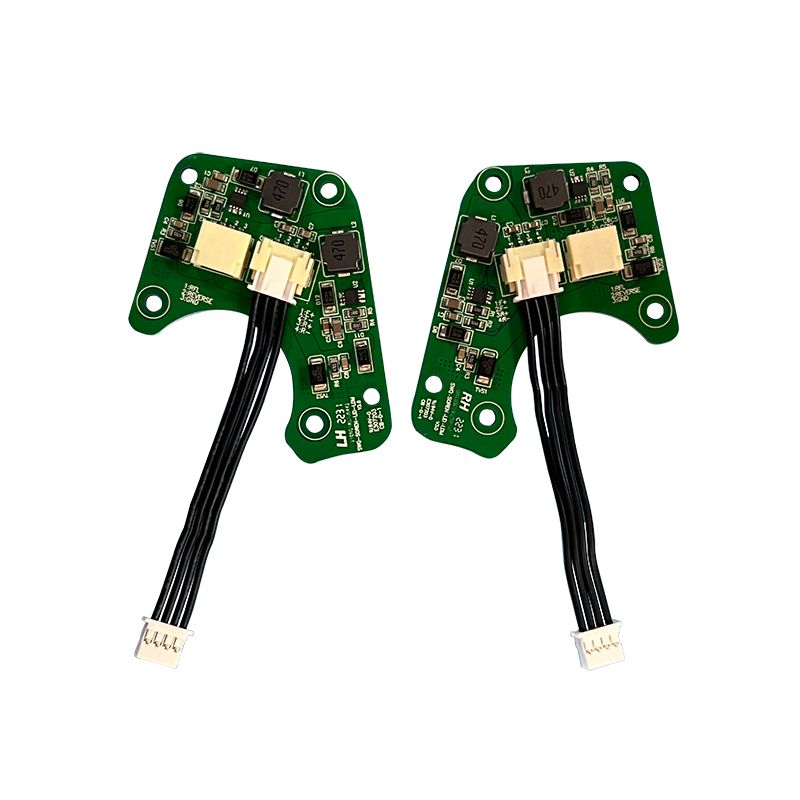
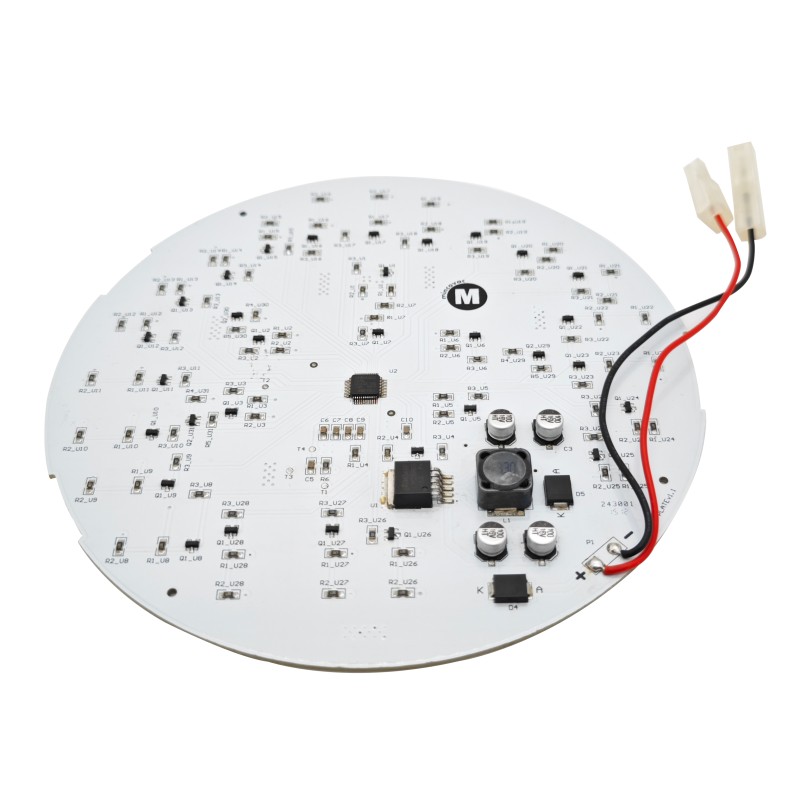
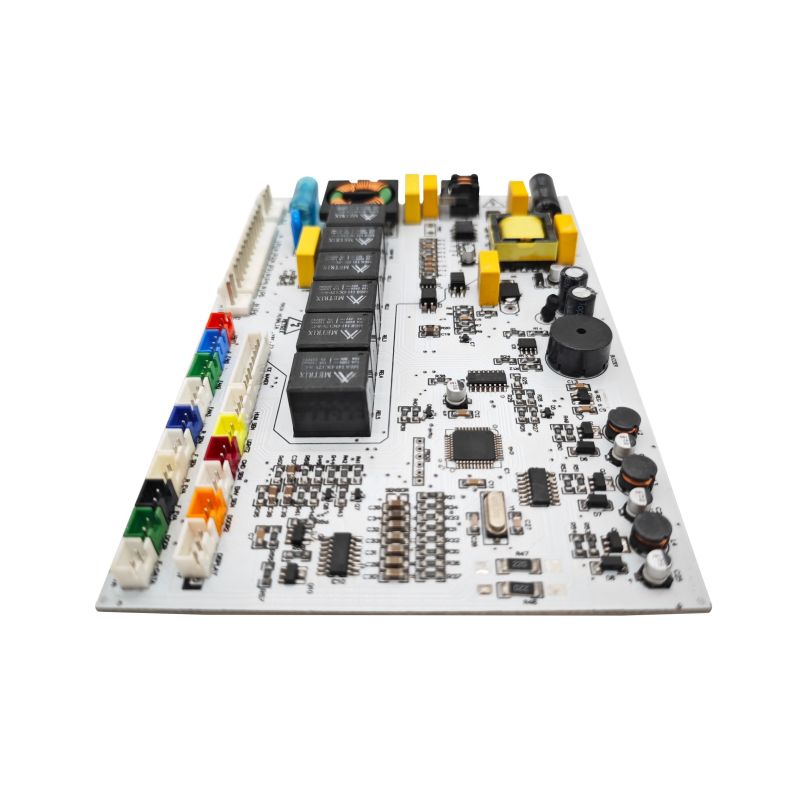
Aircraft Lighting PCBA
Aircraft lighting PCBA design operates under stricter rules than any commercial or industrial application. The board must survive extreme temperature swings, high vibration, lightning strikes, and 50,000+ hour service intervals with no access for repair.
Send Inquiry
Product Description
From navigation lights to landing lights, every airborne PCBA must operate flawlessly under extreme thermal gradients, intense vibration, and stringent EMI constraints. With 20 years of hands-on experience in aerospace electronics and failure analysis, Unixplore Electronics has codified the specific design practices that separate flight-worthy assemblies from grounded hardware into every project we deliver.
This page covers material selection, thermal management, circuit topology, certification requirements, and field-validated parameters for aircraft lighting PCBA.
What Is Aircraft Lighting PCBA?
Aircraft Lighting PCBA (Printed Circuit Board Assembly) is the core control and power-driving unit for both interior and exterior aircraft illumination systems. It must provide stable power regulation and control logic for navigation lights, anti-collision strobes, landing lights, and cabin ambiance lighting at altitudes up to 55,000 feet, temperatures ranging from -55°C to +85°C, and under high-intensity vibration profiles.
Unlike commercial-grade lighting PCBs, aviation-grade lighting PCBA demands superior thermal management, precise CTE matching, and full compliance with DO-160 environmental and EMI testing.
Why Unixplore Electronics?
-
20 Years of Failure Analysis Heritage – Our design rules are derived from post-mortem analysis of Airbus and Boeing lighting assemblies. We systematically avoid the top five failure modes, including solder joint fatigue, MOSFET breakdown, and microcontroller lock-up.
-
End-to-End Turnkey Manufacturing – Unixplore Electronics provides a complete vertical solution: PCB layout, component sourcing, SMT/DIP assembly, functional testing, and conformal coating. Our 3,000+ m² facility delivers a monthly capacity of 150,000 finished assemblies.
-
Aerospace-Grade Certification – Our factory is ISO9001:2015 certified. All production strictly follows IPC-6012 Class 3 / Aerospace and IPC-610E standards, ensuring every PCBA meets installation-ready quality.
-
Hardware-Software Co-Design Capability – Leveraging integrated EDA tools, we ensure seamless mechanical-electrical integration, minimizing interference between the PCBA and structural housings for a "First Time Right" delivery.
Types of Aircraft Lighting Systems
Aircraft lighting falls into distinct categories, each with unique PCBA requirements:
| Lighting Type | Function | Operation Mode | Critical PCBA Requirement |
|---|---|---|---|
| Navigation Lights | Position indication (red/green/white) | Constant on | Ultra-high reliability, color coordinate accuracy |
| Anti-Collision (Strobe) | High-intensity flashing warning | Dual strobe pattern | Peak current handling, precision timing logic |
| Beacon Lights | Engine/airframe warning | 1Hz blinking | Thermal cycling durability |
| Landing Lights | Runway illumination during landing | On-demand high power | Extreme thermal dissipation, MCPCB/copper core |
| Cabin/Window Lights | Passenger ambiance and reading | Dimmable, color-tunable | EMI compliance, smooth PWM dimming, 400Hz compatibility |
Core Technical Specifications
Environmental Requirements
| Parameter | Aircraft Interior | Aircraft Exterior (Wing/Tail) |
|---|---|---|
| Operating Temperature | -15°C to +70°C | -55°C to +85°C |
| Storage Temperature | -40°C to +85°C | -55°C to +125°C |
| Humidity | 0% to 95% non-condensing | 0% to 100% condensing |
| Vibration (Random) | 0.2g to 5g RMS | 5g to 15g RMS |
| Operating Altitude | 40,000 ft max | 55,000 ft max |
Power Input Specifications (per MIL-STD-704)
| Parameter | Typical Value | Notes |
|---|---|---|
| Primary Power | 28V DC (nominal) | 18V to 32V range, surge protection required |
| AC Power (Cabin Systems) | 115V AC / 400Hz | For fluorescent/LED legacy systems |
| Power Quality Tolerance | ±10% steady, ±20% transient | TVS clamping and spark gaps applied |
| Standby Current | <100µA | For BITE memory retention |
Material Selection for Aircraft Lighting PCBA
Core Material: FR4, MCPCB, or Carbon Composite?
Standard FR4 is rarely acceptable for aircraft lighting due to poor thermal conductivity and CTE mismatch with LED components.
| Material | Thermal Conductivity | CTE (ppm/°C) | Weight | Application |
|---|---|---|---|---|
| FR4 | 0.3-0.5 W/m·K | 14-17 | Light | Signal/control only |
| Aluminum MCPCB | 1.5-3 W/m·K | 23-25 | Medium | General LED lighting, cabin reading lights |
| Copper MCPCB | 200-400 W/m·K | 16-17 | Heavy | High-power exterior lights (landing, strobe) |
| Carbon Cloth Core | 175-300 W/m·K (XY) | 4-6.5 | Very Light | Premium aerospace, weight-critical designs |
Unixplore Recommendation for Exterior Lighting: Use copper MCPCB or carbon-cloth core. The CTE match to ceramic LED packages (6-7 ppm/°C) significantly reduces solder joint shear stress during thermal cycling from -55°C to +85°C.
Copper Weight Selection
| Current Load | Interior Lighting | Exterior Lighting |
|---|---|---|
| Signal traces (<100mA) | 0.5 oz | 1 oz |
| LED power (500mA-2A) | 1 oz to 2 oz | 2 oz |
| Strobe/Landing (5A-15A) | N/A | 3 oz to 4 oz |
Thermal Management for High-Power Aircraft LED PCBA
MCPCBs offer approximately 10 times the thermal conductivity of standard FR-4, translating to better heat dissipation, higher lumen output, and longer LED lifespan.
Rule of thumb: For every 10°C reduction in LED junction temperature, component lifespan doubles.
Dielectric Layer Specifications
| Parameter | Standard MCPCB | High-Performance Aerospace |
|---|---|---|
| Dielectric Material | Epoxy with ceramic filler | Thermally conductive polyimide |
| Thermal Conductivity | 1-3 W/m·K | 5-10 W/m·K |
| Dielectric Thickness | 50-100µm | 75-150µm |
| Breakdown Voltage | 2-3 kV | 3-5 kV |
Thermal Via Strategy for LED Pads
For each high-power LED on the PCBA:
-
Minimum 9 thermal vias (0.3mm diameter) per LED pad
-
Filled and capped vias required for solderability
-
Via spacing: 1.0mm to 1.2mm grid pattern
-
Void tolerance: Under 25% pad area visible on X-ray inspection
Circuit Topology and Control Architecture
Exterior Lighting Control
Modern aircraft exterior lighting uses programmable LED drivers with independent channel control.
Recommended architecture:
- I²C LED driver IC with programmable sequence memory
-
External MOSFET stage for high-current LED strings
-
FMU redundancy support via separate I²C buses
Benefits of programmable drivers:
-
Lighting sequences run autonomously after programming
-
No FMU intervention required for normal blinking patterns
-
Graceful degradation if one FMU fails
Interior Cabin Lighting
Aircraft cabin LED lighting systems typically employ individually addressable LED-microcontroller pairs.
| Feature | Requirement |
|---|---|
| Control Protocol | Pixel data over serial bus |
| Addressing | Each MCU-LED pair independently addressable |
| Color Control | RGB or RGBW per fixture |
| Data Rate | Sufficient for animation sequences |
| Failure Mode | Single LED failure does not affect others |
Flexible PCBA is often used for cabin lighting to conform to curved fuselage surfaces.
Built-In Test Equipment (BITE)
Aircraft lighting PCBAs must include self-diagnostic capabilities.
Monitored parameters:
-
Input voltage and frequency
-
Temperature
-
Lamp/LED status
-
Output voltage and current
BITE response:
-
Log fault to non-volatile memory
-
Optional: signal failure via discrete output
-
Continue operation if safe (graceful degradation)
EMI and Lightning Protection
Lightning Protection (Exterior Wing/Tail-Mounted Lights)
| Protection Element | Specification |
|---|---|
| TVS Diodes | Bi-directional, rated for lightning waveform |
| Spark Gaps | For primary surge arrest |
| Series Resistance | 10Ω to 100Ω on all input lines |
| Ground Bond | UL 467 rated ground lug |
EMI Mitigation Techniques
| Technique | Application |
|---|---|
| Ferrite Beads | Power input lines |
| Common Mode Chokes | Switching regulator inputs |
| Shielded Cables | Between PCBA and remote LEDs |
| Copper Pour Ground Plane | Solid return path, minimal loops |
Certification and Compliance
Key Standards for Aircraft Lighting PCBA
| Standard | Applicability | Requirement |
|---|---|---|
| DO-160 | All airborne equipment | Environmental & EMI testing |
| MIL-STD-704 | Power input | 28V DC power quality |
| MIL-P-55110 / IPC-6012 | PCB qualification | Class 3 / Aerospace |
| FAA AC 150/5345-46 | Runway lighting | Runway edge/end lights |
| ICAO Annex 14 | International | Airport lighting standards |
Qualification Testing Requirements
| Test | DO-160 Section | Pass Criteria |
|---|---|---|
| Temperature-Altitude | 4.0 | Operation at 55,000 ft simulated |
| Vibration | 8.0 | No mechanical or electrical failure |
| Humidity | 6.0 | No corrosion or insulation breakdown |
| Lightning Induced | 22.0 | No damage, no unsafe condition |
| Fluid Susceptibility | 11.0 | No degradation from Skydrol, fuel, etc. |
Aircraft Lighting PCBA FAQs
Q1: What is the difference between aluminum-core and copper-core PCBA for aircraft exterior lighting?
The choice between aluminum-core and copper-core PCBA directly impacts thermal performance, weight, and reliability in exterior aircraft lighting.
Aluminum MCPCB:
-
Thermal conductivity: 138-238 W/m·K
-
Density: 2.70 g/cm³ (lightweight)
-
CTE: 23-25 ppm/°C
-
Cost: 30-50% lower than copper
Copper MCPCB:
-
Thermal conductivity: 390-401 W/m·K (approximately double aluminum)
-
Density: 8.96 g/cm³ (3.3x heavier)
-
CTE: 16-17 ppm/°C (better match to LED components at 6-7 ppm/°C)
-
Superior for extreme power density (>2 W/cm²)
Decision matrix for aircraft applications:
| Aircraft Location | Power Density | Vibration Level | Recommended Core |
|---|---|---|---|
| Cabin reading lights | Low (<0.5 W/cm²) | Low | Aluminum MCPCB |
| Wing inspection lights | Medium (1-2 W/cm²) | High | Aluminum with enhanced vias |
| Landing lights (LED) | High (>2 W/cm²) | Very High | Copper MCPCB |
| Anti-collision strobe | Very High (pulsed) | High | Copper MCPCB |
For extreme environments: Carbon-cloth core PCBs offer XY thermal conductivity of 175-300 W/m·K with CTE of only 4-6.5 ppm/°C, closely matching ceramic LED packages. This minimizes thermal stress during rapid temperature cycles from -55°C to +85°C.
Q2: How do I design for the 400Hz AC power found in aircraft cabin lighting systems?
Aircraft cabin lighting often uses 115V AC at 400Hz, not the 50/60Hz found in buildings. This creates unique design requirements.
The 400Hz design challenge: Standard power supplies designed for 50/60Hz will overheat or fail at 400Hz due to core losses in transformers and magnetic components.
Required PCBA design adaptations:
| Component | 50/60Hz Design | 400Hz Design |
|---|---|---|
| Transformer | Standard silicon steel | High-frequency ferrite or tape-wound core |
| Input filtering | Large electrolytic capacitors | Smaller film capacitors |
| Rectifiers | Standard diodes | Fast recovery diodes |
| EMI filtering | Designed for 120Hz ripple | Designed for 800Hz ripple |
Design checklist for 400Hz PCBA:
-
Verify component frequency ratings – Transformers and inductors must specify 400Hz operation
-
Measure inrush current – 400Hz systems often have higher inrush than 50/60Hz designs
-
Test with aircraft-grade power – Use a 400Hz source, not a bench supply
-
Check synchronization – Many systems require frequency-locked dimming
Q3: What are the most common failure modes in aircraft lighting PCBA, and how do I prevent them?
Based on field failure analysis of Airbus and Boeing lighting assemblies, these five failure modes dominate.
Failure Mode 1: Transformer failure (ignition/starting circuit)
Prevention:
-
Specify transformers with adequate thermal margin
-
Ensure potting material can withstand -55°C to +125°C
-
Test for proper secondary voltage under load
Failure Mode 2: MOSFET breakdown in switching circuits
Prevention:
-
Use MOSFETs rated for at least 2x operating voltage
-
Add gate resistors (10Ω to 100Ω) to limit current
-
Include snubber circuits across switching nodes
-
Derate for temperature (use 150°C junction rated parts)
Failure Mode 3: Inductor failure in resonant circuits
Prevention:
-
Specify inductors with UL-class insulation
-
Ensure current rating exceeds peak operating current
-
Add thermal fuse in series for critical circuits
Failure Mode 4: Microcontroller reset or lock-up
Prevention:
-
Use dedicated voltage supervisor IC (not RC reset)
-
Verify reset timing meets datasheet requirements
-
Add watchdog timer for brownout recovery
Failure Mode 5: Solder joint fatigue from thermal cycling
Prevention via PCBA design:
-
Use CTE-matched materials – Copper core (16-17 ppm/°C) is better than aluminum (23-25 ppm/°C) when paired with ceramic LEDs (6-7 ppm/°C)
-
Add adhesive bonding – Under large components, apply epoxy or silicone adhesive
-
Optimize pad geometry – Use tear-drop pads and larger annular rings on through-hole components
-
Consider potting – For exterior assemblies, potting compound dampens thermal-mechanical stress
Comprehensive testing: Before flight approval, the PCBA must pass DO-160 thermal cycling:
-
500 cycles minimum for interior
-
1,000+ cycles for exterior
-
Temperature range matching actual installation location
Summary: Aircraft Lighting PCBA Design Checklist
| Design Element | Requirement |
|---|---|
| Core Material | Aluminum MCPCB for interior; copper or carbon-cloth for exterior |
| Copper Weight | 2 oz minimum for power; 3-4 oz for strobe/landing lights |
| Thermal Vias | Minimum 9 per high-power LED, filled and capped |
| CTE Matching | Core CTE within 10 ppm/°C of LED components |
| Power Input | Surge protection for 28V DC; 400Hz compatibility for cabin systems |
| BITE | Voltage, current, temperature monitoring; fault logging |
| Certification | DO-160 tested; IPC-6012 Class 3 |
A properly designed aircraft lighting PCBA operates continuously for 50,000+ flight hours with zero maintenance access. The combination of MCPCB thermal management, programmable LED drivers, and DO-160 qualification testing provides the reliability that aviation demands.
Start Your Aircraft Lighting Project Today
Unixplore Electronics is committed to delivering DO-160-validated, flight-ready Aircraft Lighting PCBA solutions to aerospace OEMs and system integrators worldwide. From design input to finished assembly, we ensure every board delivers 50,000+ flight hours of continuous maintenance-free operation.
Contact us for a technical datasheet or a customized quote. Our engineering support team is available to provide material selection advice and thermal simulation reports for your specific application.
Hot Tags: Aircraft Lighting PCBA, China, Manufacturers, Suppliers, Factory, Customized, Cheap, Quality, Advanced, CE, 1 Year Warranty, Price
Related Category
Home Appliance PCBA
Industrial Control PCBA
Automobile PCBA
Consumer Electronics PCBA
Medical Equipment PCBA
Security System PCBA
Healthcare PCBA
LED Lighting PCBA
IoT PCBA
Electric Gardening Tool PCBA
Send Inquiry
Please Feel free to give your inquiry in the form below. We will reply you in 24 hours.