- English
- Español
- Português
- русский
- Français
- 日本語
- Deutsch
- tiếng Việt
- Italiano
- Nederlands
- ภาษาไทย
- Polski
- 한국어
- Svenska
- magyar
- Malay
- বাংলা ভাষার
- Dansk
- Suomi
- हिन्दी
- Pilipino
- Türkçe
- Gaeilge
- العربية
- Indonesia
- Norsk
- تمل
- český
- ελληνικά
- український
- Javanese
- فارسی
- தமிழ்
- తెలుగు
- नेपाली
- Burmese
- български
- ລາວ
- Latine
- Қазақша
- Euskal
- Azərbaycan
- Slovenský jazyk
- Македонски
- Lietuvos
- Eesti Keel
- Română
- Slovenski
- मराठी
- Srpski језик

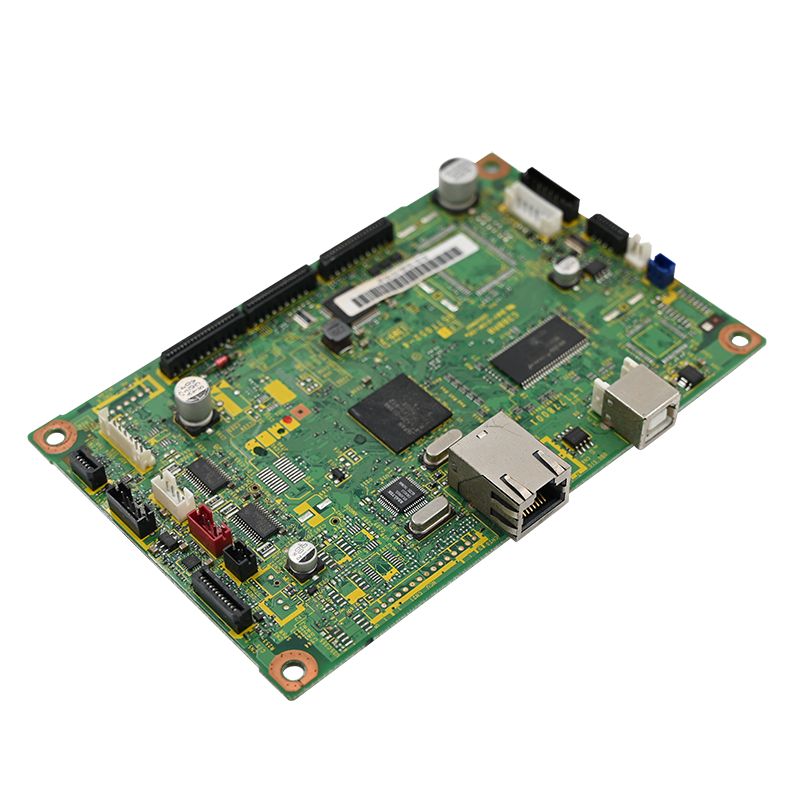
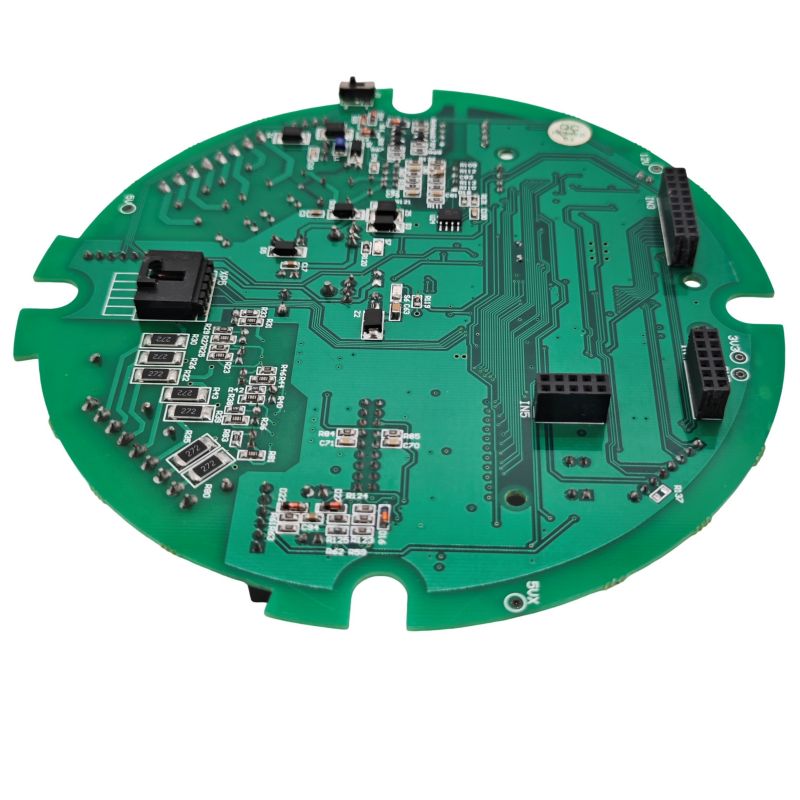
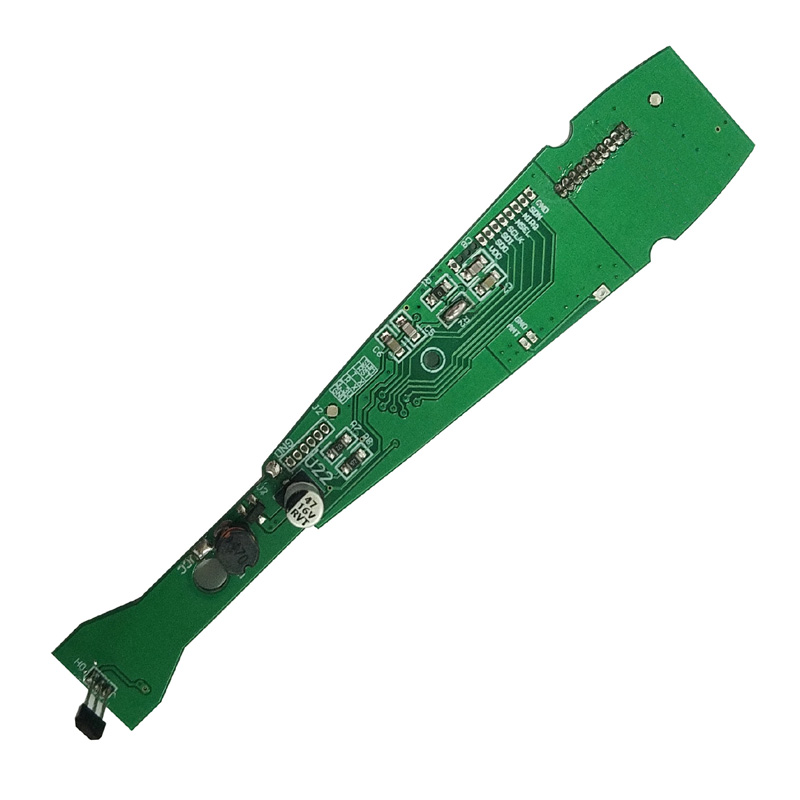
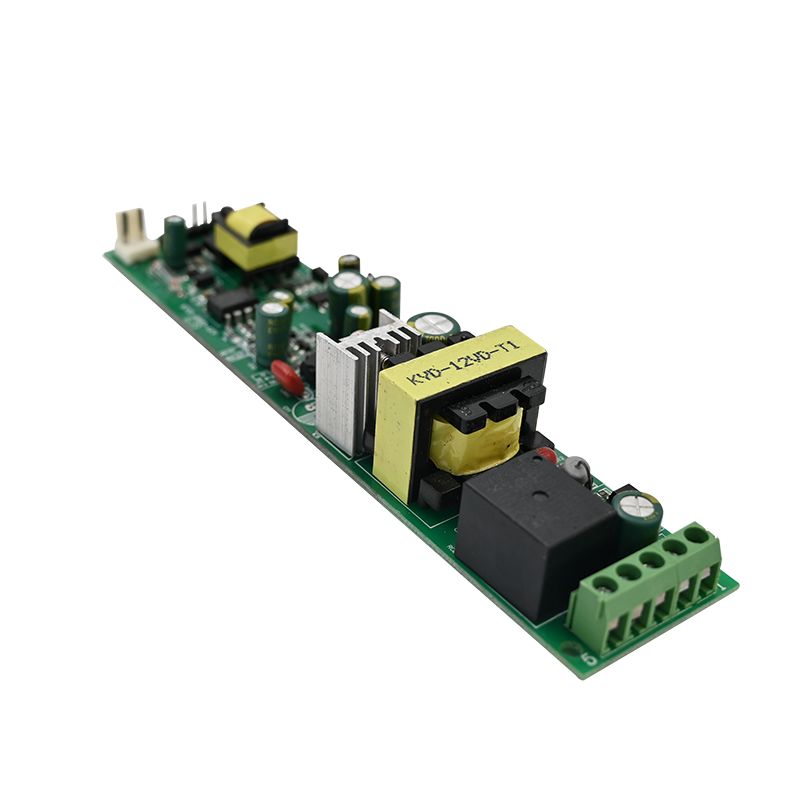
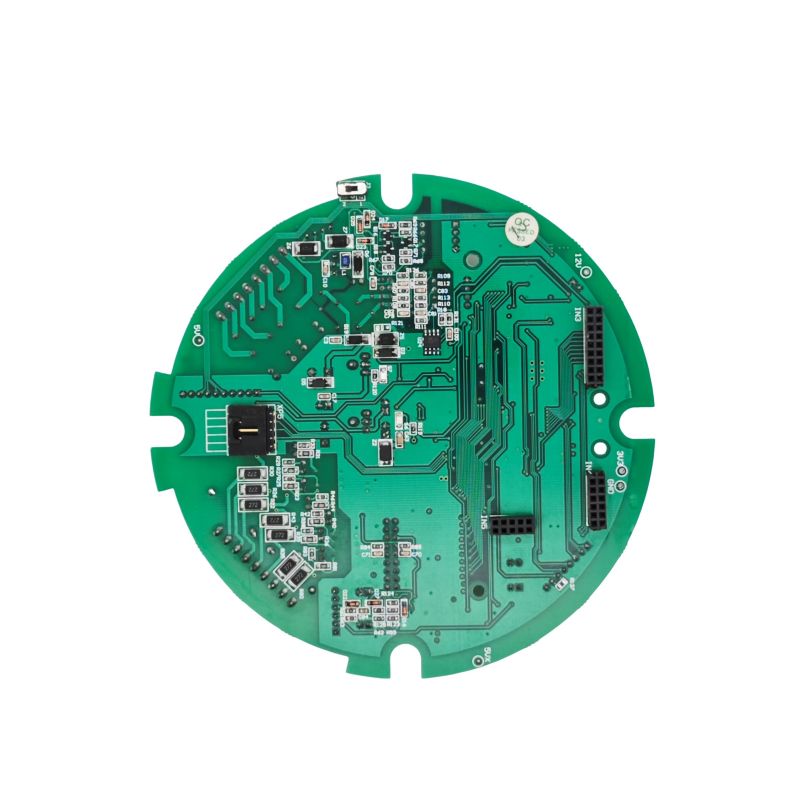
UAV PCBA
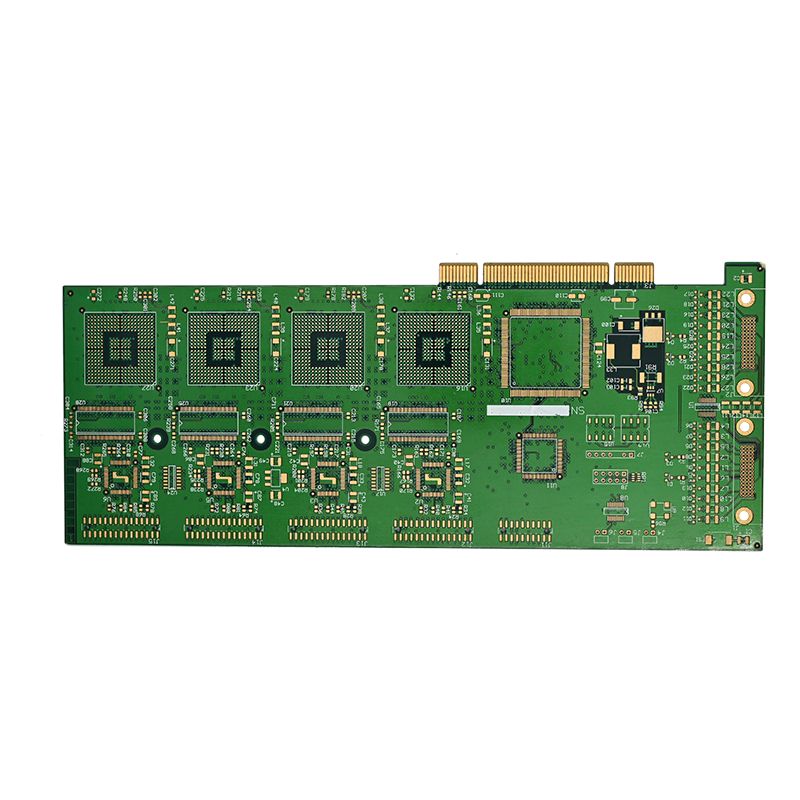
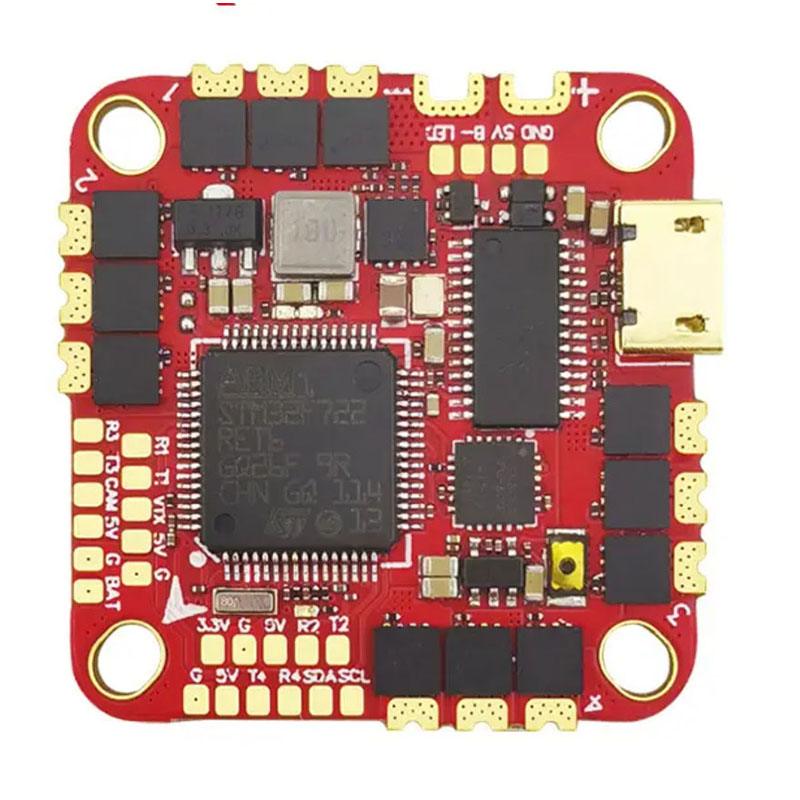
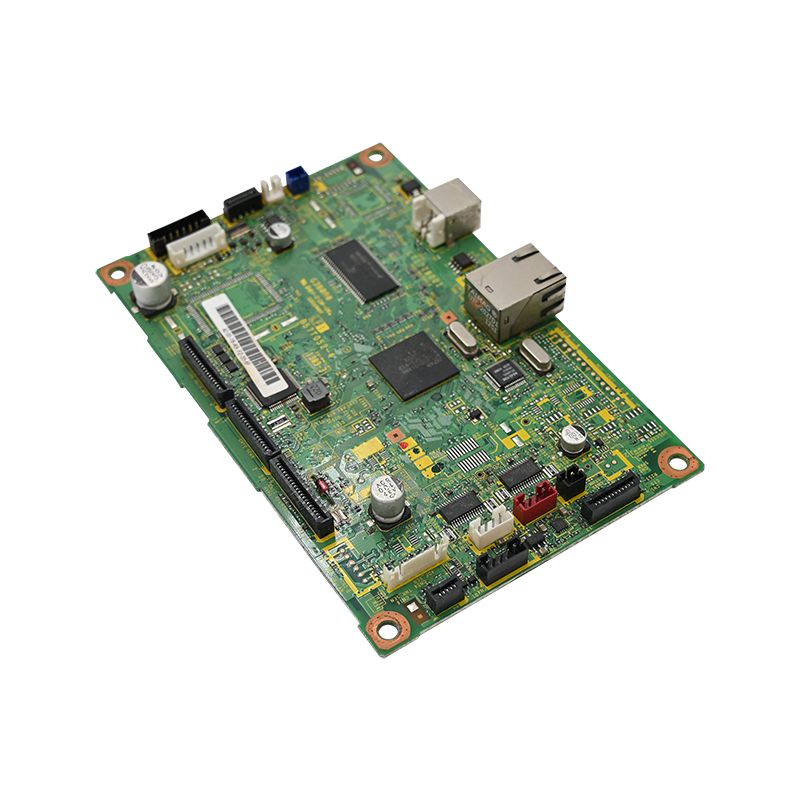
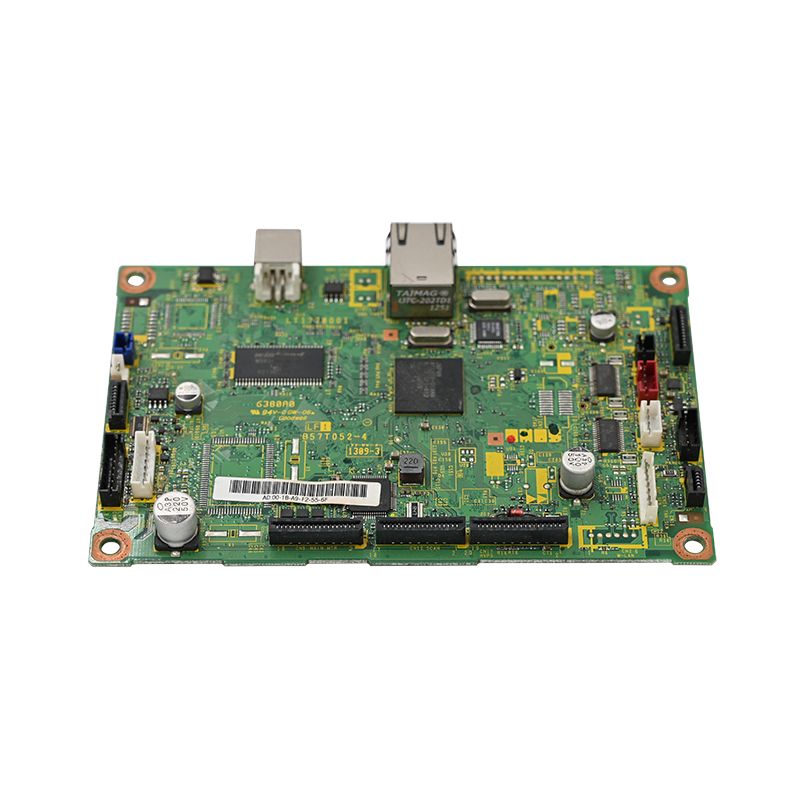
Unixplore Electronics, as a mature UAV PCBA Manufacturer & Supplier in China, has long provided highly reliable UAV PCBA solutions to drone manufacturers. Against the backdrop of increasing demands for miniaturization, lightweight design, and high performance in drones, HDI (High-Density Interconnect) technology has become a key technological path in UAV PCBA design.
Send Inquiry
Product Description
By rationally applying HDI technology in UAV PCBA design, higher wiring density, more stable signal transmission, and superior thermal management performance can be achieved within a limited space, meeting the core application requirements of flight control systems, communication modules, power management, and other critical components.
I. Why UAV PCBA Needs HDI Technology
In practical applications, drone products have very specific technical requirements for PCBAs:
Compact size and light weight
Stable high-speed signal transmission
High integration of multi-functional modules
Long-term reliable operation in complex environments
HDI technology, through micro-vias, multi-layer stacking, and fine line design, provides UAV PCBA factories with greater design freedom and is an effective solution for achieving highly integrated drone circuits.
II. Core Applications of HDI Technology in UAV PCBA Design
| Application Area | Design Key Points |
|---|---|
| Design Requirement Analysis | Define the HDI design approach based on UAV requirements such as compact size, lightweight structure, signal integrity, and thermal performance |
| Multi-Layer Stack-Up Design | Use multi-layer PCB structures combined with blind vias, buried vias, and microvias to achieve high routing density for complex UAV systems |
| Fine Line and Space Design | Apply fine trace width and spacing supported by HDI technology to increase routing density within limited board space |
| Via-in-Pad Technology | Implement via-in-pad and via filling to optimize component layout and improve assembly and soldering reliability |
| Advanced Material Selection | Choose HDI-compatible materials with good electrical and thermal properties to meet UAV operating conditions |
| Signal and Power Integrity | Build stable power and ground planes to reduce parasitic effects and ensure reliable signal transmission |
| Thermal Management Design | Integrate thermal vias and copper planes within HDI layers to efficiently dissipate heat from high-power components |
III. Practical Performance Improvements of HDI Technology
1. Higher Integration
HDI structure allows more components and functional modules to be integrated into a smaller PCB area, suitable for the limited internal space design requirements of drones.
2. More Stable Signal Performance
Short traces and optimized interlayer structures help reduce signal interference and improve the reliability of flight control and communication systems.
3. Better Heat Dissipation
Through reasonable thermal vias and inner layer copper surface design, it helps high-power devices operate stably during flight.
4. More Suitable for Small Batches and Customization
HDI UAV PCBA is suitable for application scenarios where drone products are frequently upgraded and have diverse models.
IV. Unixplore Electronics' Manufacturing and Collaboration Advantages
As an experienced UAV PCBA Supplier & Manufacturer, Unixplore Electronics provides the following in HDI projects:
HDI Design for Manufacturability (DFM) assessment
One-stop service for multi-layer HDI PCB + PCBA
UAV application-level functional testing and reliability verification
Support from small-batch prototyping to mass production delivery
We participate in design communication from the early stages of the project to ensure that HDI design rules are highly matched with actual manufacturing capabilities, reducing rework and project risks.
V. Prototype Verification and Testing Support
After the HDI UAV PCBA is completed, we will conduct:
Electrical performance testing
Mechanical structure stability testing
Thermal performance and environmental adaptability verification
To ensure that the PCBA can adapt to the long-term operation requirements of drones in complex flight environments.
Related Category
Home Appliance PCBA
Industrial Control PCBA
Automobile PCBA
Consumer Electronics PCBA
Medical Equipment PCBA
Security System PCBA
Healthcare PCBA
LED Lighting PCBA
IoT PCBA
Electric Gardening Tool PCBA
Send Inquiry
Please Feel free to give your inquiry in the form below. We will reply you in 24 hours.