- English
- Español
- Português
- русский
- Français
- 日本語
- Deutsch
- tiếng Việt
- Italiano
- Nederlands
- ภาษาไทย
- Polski
- 한국어
- Svenska
- magyar
- Malay
- বাংলা ভাষার
- Dansk
- Suomi
- हिन्दी
- Pilipino
- Türkçe
- Gaeilge
- العربية
- Indonesia
- Norsk
- تمل
- český
- ελληνικά
- український
- Javanese
- فارسی
- தமிழ்
- తెలుగు
- नेपाली
- Burmese
- български
- ລາວ
- Latine
- Қазақша
- Euskal
- Azərbaycan
- Slovenský jazyk
- Македонски
- Lietuvos
- Eesti Keel
- Română
- Slovenski
- मराठी
- Srpski језик

Why Does EV Charging Slow Down in Winter? The Hidden Role of Charging Pile PCBA
As electric vehicles become more common worldwide, charging speed has become one of the biggest concerns for EV owners. Many drivers notice that charging seems much slower during cold weather, especially in winter.
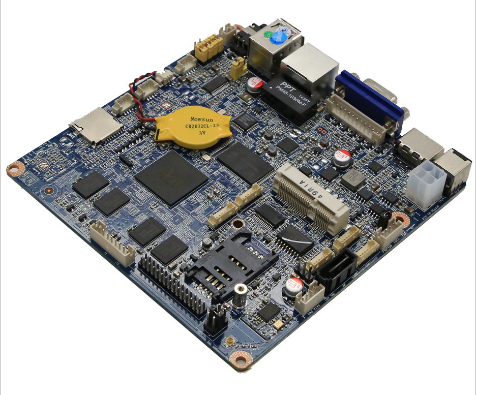
While most people think the reason is simply "the battery gets cold," the actual process involves a much more complex system. Behind every charging station, there is an important electronic control unit — Charging Pile PCBA (Printed Circuit Board Assembly) — that plays a key role in monitoring, controlling, and protecting the charging process.
So, why does EV charging slow down in winter, and how does the charging pile PCBA help maintain safe and efficient charging?
Why Does Cold Weather Affect EV Charging Speed?
The battery inside an electric vehicle relies on chemical reactions to store and release energy. These reactions become less efficient when temperatures drop.
When the battery temperature is too low:
- Lithium-ion movement becomes slower
- Internal resistance increases
- Charging efficiency decreases
- Battery safety risks increase
To protect the battery, the vehicle’s battery management system (BMS) may reduce the charging current during cold conditions.
This means even if the charging station is capable of high-speed charging, the vehicle may temporarily limit the charging power.
The Hidden Connection Between Temperature and Charging Control
Many EV users only see the charging screen showing power and charging time. However, behind this simple interface, multiple electronic systems are working together.
A charging process usually involves:
- Vehicle identification
- Communication between vehicle and charger
- Safety checks
- Power output adjustment
- Real-time monitoring
The Charging Pile PCBA acts as one of the key control centers in this process. It collects information from different sensors and helps the charging system make decisions based on actual conditions.
How Does Charging Pile PCBA Help During Winter Charging?
1. Real-Time Temperature Monitoring
Temperature is one of the most important factors affecting charging performance.
Charging pile PCBA can work with temperature sensors to monitor:
- Internal charger temperature
- Power module temperature
- Connector temperature
- Environmental conditions
If abnormal temperature conditions are detected, the system can adjust charging output or activate protection functions.
This helps prevent:
- Overheating
- Component damage
- Charging interruptions
2. Intelligent Power Adjustment
A common misunderstanding is that a charger always outputs maximum power.
In reality, smart charging systems continuously adjust power according to:
- Battery condition
- Temperature
- Voltage level
- Current requirements
- Safety status
The PCBA processes data from different components and controls the charging operation.
For example:
Cold battery condition → Higher charging risk detected → Charging power adjusted → Battery protection maintained
3. Communication Between Vehicle and Charger
Modern EV charging is not simply electricity flowing through a cable. The vehicle and charging station need to communicate before and during charging.
The system exchanges information such as:
- Battery status
- Required charging current
- Voltage information
- Charging limits
Charging Pile PCBA manages communication interfaces and ensures that the charger responds correctly to vehicle requirements.
4. Protection Against Abnormal Conditions
Winter charging can create additional challenges, especially in outdoor environments.
Charging pile PCBA helps monitor and respond to situations such as:
- Overcurrent
- Overvoltage
- Short circuits
- Temperature abnormalities
- Communication failures
Through protective circuits and control programs, the system can stop or reduce charging when unsafe conditions occur.

Why Outdoor Charging Stations Need Advanced PCBA Design
Unlike indoor electronic devices, EV charging stations often operate in difficult environments.
They may experience:
- Extremely cold temperatures
- High humidity
- Rain and snow
- Dust exposure
- Long operating hours
Thermal Management
Electronic components generate heat during operation. Proper thermal design helps maintain stable performance.
Common solutions include:
- Heat dissipation structures
- Temperature monitoring
- Component selection for harsh environments
Moisture and Corrosion Protection
Outdoor charging stations need protection against moisture and condensation.
Common methods include:
- Conformal coating
- Protective materials
- Sealed enclosure design
High Reliability Components
Charging stations often operate for many hours every day, so PCBA components must handle:
- Continuous electrical load
- Voltage fluctuations
- Temperature changes
A Simple Comparison: Ordinary PCB vs EV Charging Pile PCBA
| Feature | Ordinary PCB | EV Charging Pile PCBA |
|---|---|---|
| Working Environment | Mainly indoor | Indoor and outdoor |
| Power Requirement | Lower | Higher |
| Temperature Range | General conditions | Wider temperature range |
| Operating Time | Intermittent | Long-term operation |
| Safety Requirements | Standard | Higher protection requirements |
| Communication Function | Basic or optional | Essential |
Future Trends: Smarter EV Charging Systems
As electric vehicle technology develops, charging stations are becoming more intelligent.
Future charging systems may include:
- Remote monitoring
- Cloud-based management
- Smart energy scheduling
- Vehicle-to-grid (V2G) technology
- AI-based charging optimization
Behind these functions, PCBA will continue to serve as a key hardware platform connecting power, communication, and control systems.
The reason EV charging slows down in winter is not simply a battery problem. It involves temperature management, safety control, and communication between multiple systems.
Charging Pile PCBA plays an important role behind the scenes by monitoring conditions, adjusting charging power, managing communication, and protecting the charging process.
As electric vehicles move toward faster and smarter charging solutions, reliable PCBA design will become increasingly important in building safe and efficient charging infrastructure.
Send Inquiry
-
Delivery Service



-
Payment Options