- English
- Español
- Português
- русский
- Français
- 日本語
- Deutsch
- tiếng Việt
- Italiano
- Nederlands
- ภาษาไทย
- Polski
- 한국어
- Svenska
- magyar
- Malay
- বাংলা ভাষার
- Dansk
- Suomi
- हिन्दी
- Pilipino
- Türkçe
- Gaeilge
- العربية
- Indonesia
- Norsk
- تمل
- český
- ελληνικά
- український
- Javanese
- فارسی
- தமிழ்
- తెలుగు
- नेपाली
- Burmese
- български
- ລາວ
- Latine
- Қазақша
- Euskal
- Azərbaycan
- Slovenský jazyk
- Македонски
- Lietuvos
- Eesti Keel
- Română
- Slovenski
- मराठी
- Srpski језик

How Can Sensor PCBA Improve Smart Electronics Performance and Reliability
The rapid growth of smart electronics, industrial automation, medical monitoring systems, automotive intelligence, and IoT devices has significantly increased the demand for high-quality Sensor PCBA solutions. A Sensor PCBA integrates sensing components with printed circuit board assembly technology, enabling devices to collect, process, and transmit accurate environmental or operational data.
This comprehensive guide explores everything you need to know about Sensor PCBA, including its working principles, applications, manufacturing processes, materials, advantages, testing methods, and future trends. The article also explains why Unixplore Electronics has become a trusted manufacturing partner for advanced Sensor PCBA solutions worldwide.
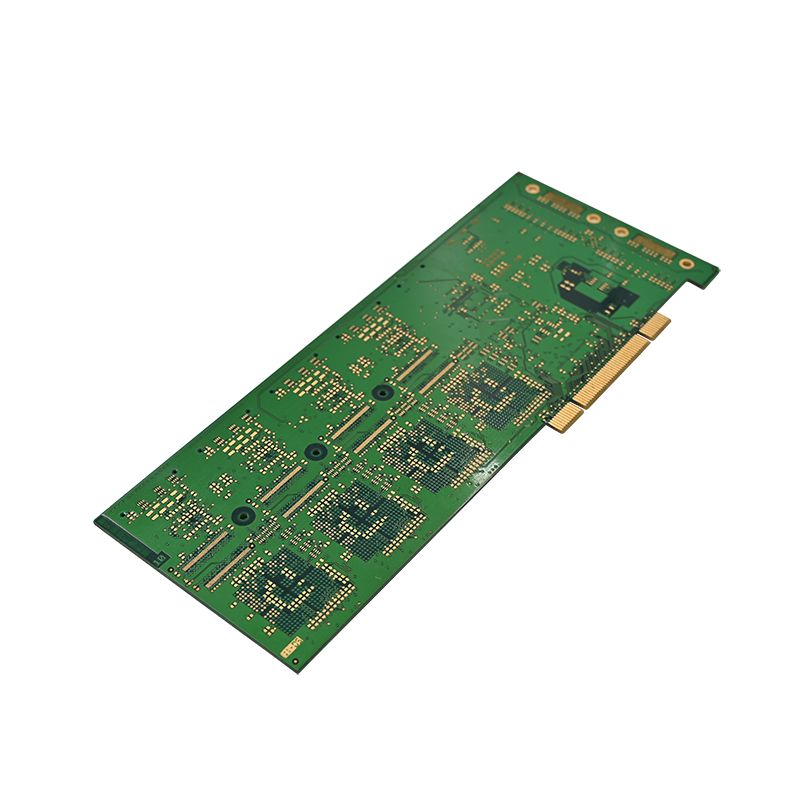
Table of Contents
3. Common Types of Sensor PCBAs
4. Major Applications of Sensor PCBA
5. Sensor PCBA Manufacturing Process
6. Materials and Components Used
8. Quality Control and Testing
9. How to Choose a Reliable Sensor PCBA Manufacturer
What Is Sensor PCBA?
A Sensor PCBA refers to a printed circuit board assembly integrated with various sensing technologies that detect physical, chemical, biological, or environmental changes. These PCBAs transform real-world signals into electronic data for intelligent systems.
Sensor PCBAs are essential components in modern smart devices because they provide accurate monitoring and data collection capabilities. Depending on the application, Sensor PCBAs may detect:
- Temperature
- Humidity
- Pressure
- Motion
- Light intensity
- Gas concentration
- Distance
- Magnetic fields
- Touch signals
At Unixplore Electronics, advanced Sensor PCBA manufacturing solutions are designed to support high precision, durability, and long-term operational stability.
How Does Sensor PCBA Work?
The operation of a Sensor PCBA involves several coordinated electronic processes:
- Sensors detect physical or environmental changes.
- The sensing element converts those changes into electrical signals.
- Signal conditioning circuits amplify or filter the signals.
- Microcontrollers process the data.
- Communication modules transmit information to external systems.
- Power management circuits ensure stable operation.
For example, in a temperature monitoring system, a temperature sensor measures thermal changes and sends analog signals to the PCB. The microcontroller then converts the analog signal into digital information for display or cloud transmission.
Common Types of Sensor PCBAs
Different industries require specialized Sensor PCBA designs depending on sensing requirements and operational environments.
| Sensor Type | Function | Common Applications |
|---|---|---|
| Temperature Sensor PCBA | Measures heat variations | HVAC, healthcare, industrial control |
| Motion Sensor PCBA | Detects movement | Security systems, smart lighting |
| Pressure Sensor PCBA | Monitors pressure levels | Automotive, medical equipment |
| Gas Sensor PCBA | Detects gas concentration | Environmental monitoring |
| Optical Sensor PCBA | Detects light or images | Consumer electronics, cameras |
Major Applications of Sensor PCBA
The demand for Sensor PCBA continues to grow because intelligent sensing technology has become essential across multiple industries.
1. Smart Home Devices
Sensor PCBAs are widely used in:
- Smart thermostats
- Smart door locks
- Motion detectors
- Smoke alarms
- Smart lighting systems
2. Automotive Electronics
Modern vehicles rely heavily on Sensor PCBA technology for:
- Tire pressure monitoring
- Parking assistance
- Engine monitoring
- Collision detection
- Autonomous driving systems
3. Medical Equipment
Medical-grade Sensor PCBAs support:
- Patient monitoring systems
- Blood pressure monitors
- Wearable health devices
- Diagnostic equipment
4. Industrial Automation
Factories and industrial plants use Sensor PCBA solutions for:
- Machine monitoring
- Predictive maintenance
- Process automation
- Environmental control
5. Internet of Things (IoT)
IoT devices depend on Sensor PCBA technology to collect real-time data and communicate intelligently through cloud platforms.
Sensor PCBA Manufacturing Process
The manufacturing process of Sensor PCBA requires advanced engineering expertise and strict quality standards.
| Manufacturing Step | Description |
|---|---|
| PCB Fabrication | Creation of multilayer circuit boards |
| SMT Assembly | Surface mount component placement |
| DIP Assembly | Insertion of through-hole components |
| Reflow Soldering | Thermal soldering process |
| AOI Inspection | Automated optical inspection |
| Functional Testing | Verification of sensing performance |
| Conformal Coating | Protection against moisture and dust |
Unixplore Electronics uses advanced SMT production lines, AOI systems, X-ray inspection equipment, and functional testing solutions to ensure every Sensor PCBA meets international quality standards.
Materials and Components Used
The reliability of a Sensor PCBA strongly depends on the quality of materials and electronic components.
Common PCB Materials
- FR4 fiberglass laminate
- Aluminum substrate
- Ceramic PCB materials
- Flexible PCB materials
Core Components
- Microcontrollers
- Sensors
- Resistors
- Capacitors
- Integrated circuits
- Wireless communication modules
- Connectors
Protective Materials
- Conformal coatings
- Heat sinks
- EMI shielding materials
- Waterproof sealing compounds
Advantages of Sensor PCBA
Modern Sensor PCBA technology provides significant benefits for electronic product manufacturers and end users.
| Advantage | Benefit |
|---|---|
| High Accuracy | Improves data reliability |
| Compact Design | Enables miniaturized devices |
| Low Power Consumption | Supports energy efficiency |
| High Integration | Simplifies system architecture |
| Long Lifespan | Reduces maintenance costs |
| Real-Time Monitoring | Improves automation efficiency |
Quality Control and Testing
Reliable Sensor PCBA production requires strict testing and quality assurance procedures.
Important Testing Methods
- AOI inspection
- X-ray inspection
- Functional testing
- ICT testing
- Environmental stress testing
- Thermal cycling tests
- Humidity resistance tests
At Unixplore Electronics, every Sensor PCBA undergoes rigorous quality inspection to ensure excellent durability and stable electrical performance under demanding environments.
How to Choose a Reliable Sensor PCBA Manufacturer
Selecting the right manufacturing partner is essential for achieving product quality and long-term reliability.
Key Factors to Consider
- Industry experience
- Engineering capabilities
- Quality certifications
- Testing equipment
- Production capacity
- Customization services
- Supply chain management
- Technical support
Unixplore Electronics offers complete one-stop Sensor PCBA manufacturing services, including PCB fabrication, component sourcing, SMT assembly, testing, and final product integration.
Future Trends in Sensor PCBA
The future of Sensor PCBA technology is strongly connected with artificial intelligence, IoT, and smart automation.
Emerging Trends
- AI-enabled sensor systems
- Ultra-miniature PCBAs
- Flexible and wearable electronics
- 5G-connected sensing devices
- Low-power wireless sensors
- Smart industrial monitoring
- Advanced environmental sensing
As industries continue to adopt intelligent systems, Sensor PCBA demand is expected to increase rapidly over the next decade.
FAQ
What is a Sensor PCBA used for?
A Sensor PCBA is used to detect and process environmental or physical data in applications such as automotive systems, smart homes, industrial automation, medical devices, and IoT products.
Why is Sensor PCBA important in IoT devices?
Sensor PCBAs enable IoT devices to collect real-time data and communicate intelligently with cloud systems or connected networks.
What industries commonly use Sensor PCBA?
Industries including automotive, healthcare, industrial automation, consumer electronics, aerospace, and telecommunications widely use Sensor PCBAs.
How does Unixplore Electronics ensure Sensor PCBA quality?
Unixplore Electronics uses advanced SMT assembly equipment, AOI inspection, X-ray testing, functional testing, and strict quality management systems to ensure product reliability.
Can Sensor PCBAs be customized?
Yes. Sensor PCBAs can be fully customized based on sensing requirements, communication protocols, PCB dimensions, operating environments, and application specifications.
What are the advantages of high-quality Sensor PCBA manufacturing?
High-quality manufacturing improves sensing accuracy, durability, operational stability, energy efficiency, and long-term reliability.
Conclusion
The evolution of smart electronics continues to drive the global demand for advanced Sensor PCBA solutions. From industrial automation and healthcare to automotive intelligence and IoT systems, Sensor PCBAs play a critical role in enabling intelligent monitoring and data-driven decision-making.
With extensive manufacturing experience, advanced testing capabilities, and reliable engineering support, Unixplore Electronics provides professional Sensor PCBA solutions tailored to modern electronic applications. If you are looking for dependable Sensor PCBA manufacturing services with consistent quality and competitive pricing, please contact us today to discuss your project requirements and discover how we can help bring your innovative electronic products to market faster.
Send Inquiry
-
Delivery Service



-
Payment Options