- English
- Español
- Português
- русский
- Français
- 日本語
- Deutsch
- tiếng Việt
- Italiano
- Nederlands
- ภาษาไทย
- Polski
- 한국어
- Svenska
- magyar
- Malay
- বাংলা ভাষার
- Dansk
- Suomi
- हिन्दी
- Pilipino
- Türkçe
- Gaeilge
- العربية
- Indonesia
- Norsk
- تمل
- český
- ελληνικά
- український
- Javanese
- فارسی
- தமிழ்
- తెలుగు
- नेपाली
- Burmese
- български
- ລາວ
- Latine
- Қазақша
- Euskal
- Azərbaycan
- Slovenský jazyk
- Македонски
- Lietuvos
- Eesti Keel
- Română
- Slovenski
- मराठी
- Srpski језик

The significance of PCBA factories' customization capabilities for industry customers.
The customization capabilities of PCBA (Printed Circuit Board Assembly) factories are becoming a key factor in driving innovation and efficiency improvements for industry clients. Especially in high-growth sectors such as smart terminals, industrial control, medical equipment, new energy, and automotive electronics, clients have higher and more specialized requirements for circuit board quality, functionality, and delivery times.
According to the latest industry observations from Unixplore Electronics, a leading PCBA solution provider in China, PCBA factories with strong customization capabilities can not only meet the individual needs of enterprises but also fundamentally optimize the performance and market competitiveness of their products.
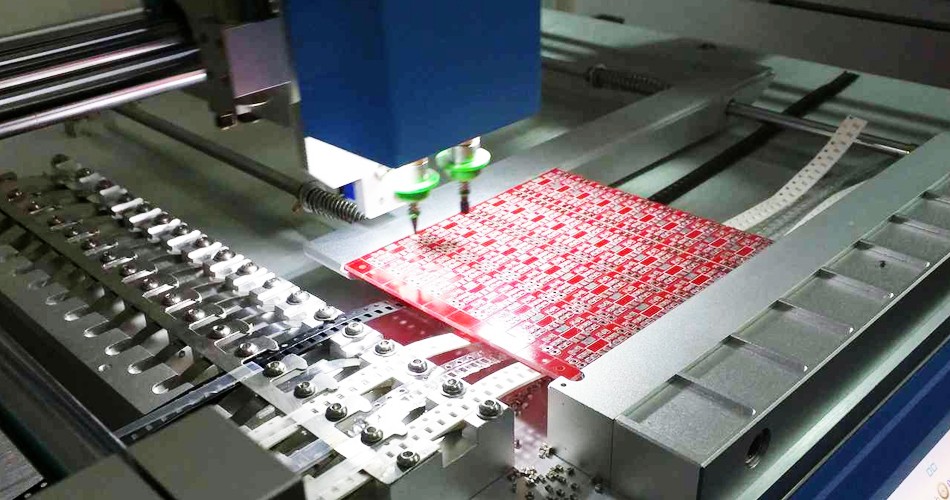
Why is customization important?
① Meeting complex and differentiated design needs
With the rapid iteration of smart hardware, a single standardized product can hardly meet the innovative needs of industry clients. Industry clients typically want circuit boards that perfectly match their product positioning in terms of size, layers, electrical performance, heat dissipation structure, and even BOM (Bill of Materials).
Unixplore Electronics points out that through visual design review, DFM (Design for Manufacturing) optimization services, and diverse material and process combinations, PCBA customization services can effectively shorten customer R&D cycles and improve product yield.
Case Study: Customized PCBA Improves Terminal Product Performance
In the field of industrial automation, a smart equipment manufacturer faced high repair rates because standard PCBAs could not meet the reliability requirements of high-temperature and vibration environments.
Based on the customer's specific application scenario, we customized the following solution:
Using high-temperature resistant substrate materials
Adjusting the layout of key components to optimize the heat flow path
Customizing coating/plating processes to improve corrosion resistance
Ultimately, this customized PCBA solution successfully reduced the failure rate by more than 40%, significantly improving the stability and field reliability of the entire machine. This real-world case demonstrates that customization is not just a concept, but can deliver quantifiable value.
How is customization achieved?
① Early Engineering Evaluation
Excellent PCBA manufacturers will be involved from the design stage, working with industry clients to optimize PCB layout, electrical performance, and manufacturability, minimizing rework later on.
② Advanced Manufacturing and Testing Capabilities
Customization is not only about design flexibility, but also requires the factory to possess a variety of manufacturing technologies, such as high-speed SMT, mixed insertion, precision welding, and automatic testing methods such as ICT and AXI, to ensure that every circuit board meets the design requirements.
③ Flexible Supply Chain and Rapid Response
Unified management of standard and customized components in the BOM, along with the ability to quickly respond with alternative parts, helps industry customers maintain production continuity even during supply chain fluctuations.
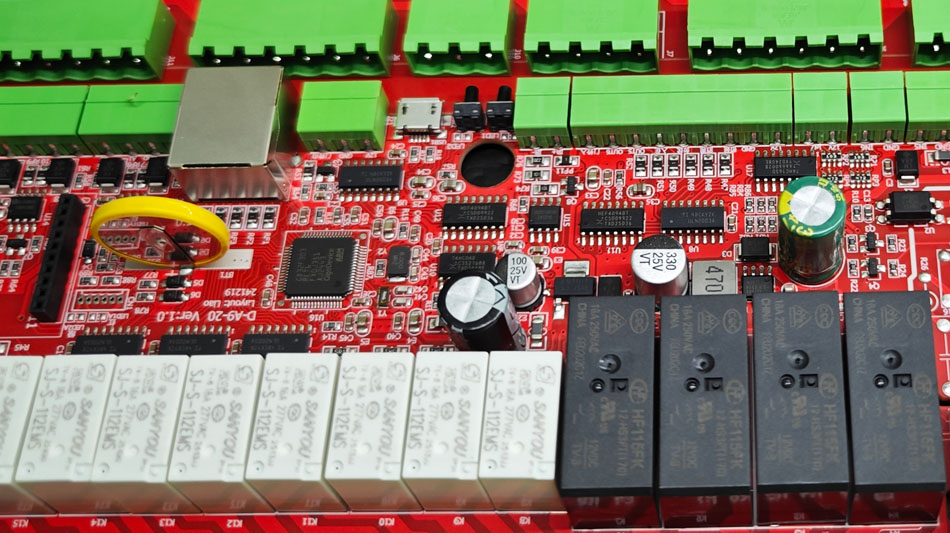
Industry Value Brought by Customization
From the perspective of industry customers, the significance of PCBA customization capabilities is mainly reflected in the following aspects:
Enhanced Product Competitiveness: Targeted optimized circuit boards result in more stable performance and functions that better meet user needs.
Shortened Time to Market: Factory participation in early design reviews allows for quick identification of problems, avoiding rework and delays later on.
Reduced Overall Costs: Although initial customization may involve higher investment, process optimization, improved yield rates, and reduced failure rates significantly reduce maintenance costs over the product's lifecycle.
Enhanced Industry Adaptability: Customized solutions can meet the stringent standards of high-reliability scenarios such as medical, automotive, and communication industries, winning broader market opportunities.
Send Inquiry
-
Delivery Service



-
Payment Options