- English
- Español
- Português
- русский
- Français
- 日本語
- Deutsch
- tiếng Việt
- Italiano
- Nederlands
- ภาษาไทย
- Polski
- 한국어
- Svenska
- magyar
- Malay
- বাংলা ভাষার
- Dansk
- Suomi
- हिन्दी
- Pilipino
- Türkçe
- Gaeilge
- العربية
- Indonesia
- Norsk
- تمل
- český
- ελληνικά
- український
- Javanese
- فارسی
- தமிழ்
- తెలుగు
- नेपाली
- Burmese
- български
- ລາວ
- Latine
- Қазақша
- Euskal
- Azərbaycan
- Slovenský jazyk
- Македонски
- Lietuvos
- Eesti Keel
- Română
- Slovenski
- मराठी
- Srpski језик

How Can a Leak Detector PCBA Revolutionize Industrial Leak Testing
In this comprehensive guide, we explore the critical role of a Leak Detector PCBA in modern industrial leak detection systems. From understanding its core functions to exploring design considerations, manufacturing processes, and practical applications, this blog covers everything you need to know. Additionally, we provide a detailed comparison of popular PCBA solutions, maintenance tips, and answers to frequently asked questions. If you are seeking reliable insights for industrial leak testing solutions, Unixplore's expert guidance will illuminate the path.
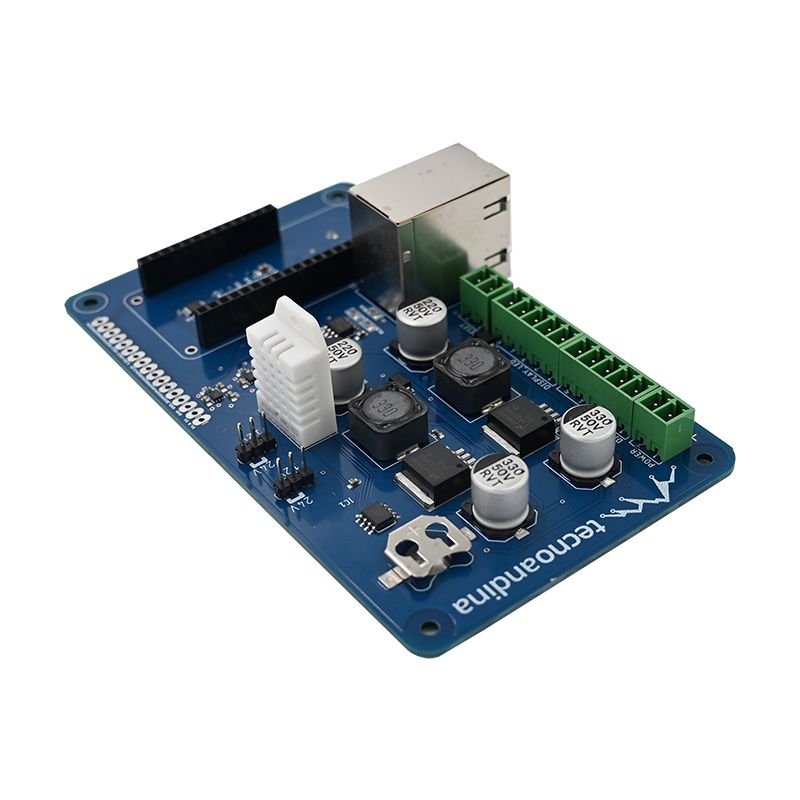
Table of Contents
- Introduction to Leak Detector PCBA
- How Does a Leak Detector PCBA Work?
- Key Design Considerations
- Leak Detector PCBA Manufacturing Process
- Applications in Industry
- PCBA Comparison Table
- Maintenance and Troubleshooting Tips
- FAQ
- Conclusion and Contact
Introduction to Leak Detector PCBA
A Leak Detector PCBA is a printed circuit board assembly designed to monitor, detect, and report leakages in various industrial environments. With rising demands for precise and efficient leak detection, these PCBA solutions have become integral in sectors such as chemical processing, HVAC systems, pharmaceutical production, and automotive industries.
Unixplore has developed cutting-edge Leak Detector PCBA solutions that combine high sensitivity, durability, and easy integration into existing leak detection systems. These PCBAs are not only reliable but also optimized for long-term performance under harsh conditions.
How Does a Leak Detector PCBA Work?
Understanding the operational principle of a Leak Detector PCBA is key to appreciating its impact. Generally, the PCBA monitors pressure, flow, or gas concentration changes using advanced sensors, processing the signals through microcontrollers to determine leak occurrences.
The main steps include:
- Detection of pressure drops or gas presence using sensors
- Signal processing by the PCBA microcontroller
- Activation of alarms or automated shutdowns if a leak is detected
- Logging and reporting data for maintenance and analysis
By integrating these functions on a compact PCBA, manufacturers can achieve faster response times and higher reliability.
Key Design Considerations
Designing an effective Leak Detector PCBA involves several factors:
- Sensor Selection: Choosing the right pressure, gas, or liquid sensors depending on the application.
- PCB Layout: Ensuring minimal interference and optimal signal integrity.
- Power Management: Efficient power circuits to extend operational life.
- Environmental Protection: Using conformal coating or encapsulation for harsh environments.
- Communication Interface: Supporting UART, SPI, I2C, or wireless protocols for data integration.
Unixplore emphasizes these design principles to deliver PCBAs that meet stringent industrial standards while maintaining cost-effectiveness.
Leak Detector PCBA Manufacturing Process
The manufacturing process of a Leak Detector PCBA typically follows these steps:
- PCB fabrication and quality inspection
- Component sourcing and verification
- Surface mount technology (SMT) assembly
- Through-hole component assembly (if applicable)
- Reflow soldering and wave soldering processes
- Functional testing and calibration
- Final inspection and packaging
This systematic approach ensures high reliability and performance. Unixplore's manufacturing facilities adhere to ISO standards and implement automated inspection techniques to minimize defects.
Applications in Industry
Leak detector PCBAs find applications in multiple industries, including:
- Automotive: Fuel system leak monitoring, coolant leak detection.
- Pharmaceuticals: Ensuring airtight seals in production lines.
- HVAC Systems: Detecting refrigerant leaks efficiently.
- Oil & Gas: Pipeline monitoring and early leak detection.
- Food & Beverage: Monitoring production equipment for hygiene compliance.
PCBA Comparison Table
Below is a comparison of key leak detector PCBA solutions offered by Unixplore:
| Model | Sensor Type | Response Time | Operating Voltage | Key Feature |
|---|---|---|---|---|
| UD-PCBA-100 | Pressure & Gas | 50 ms | 12V DC | High Sensitivity |
| UD-PCBA-200 | Gas Only | 35 ms | 5V DC | Low Power Consumption |
| UD-PCBA-300 | Liquid Detection | 40 ms | 12V DC | Waterproof & Robust |
Maintenance and Troubleshooting Tips
To ensure optimal performance of your Leak Detector PCBA, consider these tips:
- Regularly inspect for dust or moisture accumulation on the PCBA.
- Check for loose connections or solder joint cracks.
- Perform periodic calibration of sensors according to manufacturer guidelines.
- Use surge protection to prevent voltage spikes from damaging the PCBA.
- Update firmware or software for advanced models supporting remote monitoring.
FAQ
What is a Leak Detector PCBA?
A Leak Detector PCBA is a printed circuit board assembly designed to detect and monitor leaks in liquids or gases using sensors and signal processing components.
Why choose Unixplore's Leak Detector PCBA?
Unixplore provides high-quality PCBAs with enhanced reliability, fast response times, and compatibility with various industrial systems.
How long does a Leak Detector PCBA last?
With proper maintenance, Unixplore's Leak Detector PCBAs can last 5-10 years depending on the operating environment.
Can a Leak Detector PCBA be customized?
Yes, Unixplore offers customized solutions tailored to your specific leak detection requirements and industrial applications.
How is the PCBA tested?
Leak Detector PCBAs undergo functional testing, calibration, and environmental stress testing to ensure performance and reliability.
Conclusion and Contact
The Leak Detector PCBA is an indispensable component in modern industrial leak detection systems, offering precision, reliability, and adaptability. From design considerations to manufacturing processes, and practical applications, a high-quality PCBA from Unixplore ensures your systems are protected against leaks efficiently.
For detailed inquiries or to explore tailored leak detection solutions, contact us at Unixplore today and take your industrial safety to the next level.
Send Inquiry
-
Delivery Service



-
Payment Options